
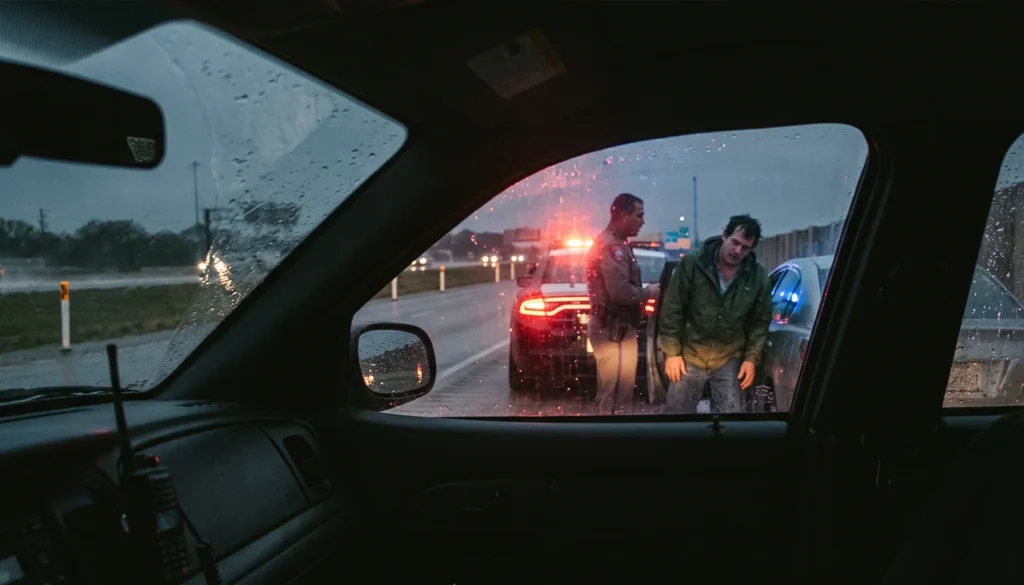
In Texas, DWI means Driving While Intoxicated and generally refers to operating a motor vehicle in a public place while intoxicated. Texas Penal Code §49.04 makes DWI an offense when a person is intoxicated while operating a motor vehicle in a public place. DUI is not generally the term Texas uses for an adult impaired-driving offense. Instead, Texas commonly uses DUI to describe the separate offense of driving under the influence of alcohol by a minor.
For most adults, the legal alcohol limit for driving is associated with a BAC of 0.08%, but Texas law also recognizes intoxication when alcohol or another substance impairs a person’s normal mental or physical faculties. This means a BAC below 0.08% does not automatically prevent a DWI allegation. If you are dealing with a DWI stop or arrest in Houston, a Houston DUI DWI Attorney can explain how Texas law distinguishes DWI from DUI and what those terms may mean for your situation.
What Is a DWI in Texas?
A DWI in Texas occurs when a person operates a motor vehicle in a public place while intoxicated. Texas Penal Code §49.04 establishes the basic DWI offense. Texas defines intoxication to include either an alcohol concentration of 0.08 or more or the loss of normal use of mental or physical faculties because of alcohol, a controlled substance, a drug, a dangerous drug, or a combination of substances.
This definition is important because DWI is not limited to cases involving a BAC of 0.08% or higher. A person can be accused of DWI when the available evidence indicates impairment even if a chemical test does not show a BAC at or above 0.08%.
For example, evidence in a Texas DWI investigation may include driving behavior, an officer’s observations, statements, field sobriety testing, and breath or blood test results. The weight and admissibility of particular evidence depend on the facts and circumstances of the case.
Also Read: DUI legal definition
What Is the Difference Between DWI and DUI in Texas?
The primary difference is who the law applies to and which offense is being discussed. In Texas, DWI (Driving While Intoxicated) is the primary criminal offense used when an adult is accused of operating a motor vehicle while intoxicated. DUI (Driving Under the Influence) is generally associated with Texas’s under-21 alcohol law rather than a separate adult offense.
DWI for Adults
Texas Penal Code §49.04 applies to a person who operates a motor vehicle in a public place while intoxicated. The offense can be based on the statutory BAC definition or evidence that the person’s normal mental or physical faculties were impaired.
A first DWI under the general statute is ordinarily a Class B misdemeanor, although Texas law provides enhanced consequences in certain circumstances. For example, §49.04 provides a higher offense level when the analysis of a specimen shows an alcohol concentration of 0.15 or more. For an adult facing an impaired-driving allegation in Houston, searching for a Houston DWI lawyer may be more consistent with Texas terminology than searching for an adult DUI offense.
DUI by a Minor
Texas has a zero-tolerance rule for drivers under 21. Under Texas Alcoholic Beverage Code §106.041, a minor commits an offense by operating a motor vehicle in a public place while having any detectable amount of alcohol in the minor’s system, subject to the statute’s provisions.
The Texas Department of Public Safety also explains that the 0.08% BAC standard does not apply to minors under the state’s zero-tolerance law. Therefore, an under-21 driver does not necessarily need to have a BAC of 0.08% to face an alcohol-related driving offense.
What Are the BAC Rules for Drivers Under 21?
Texas applies a stricter alcohol rule to drivers under 21 than to ordinary adult drivers. Under Texas’s zero-tolerance framework, a minor who operates a motor vehicle in a public place with any detectable amount of alcohol in the person’s system can face an alcohol-related driving offense. The Texas Department of Public Safety states that any detection of alcohol in a minor’s system can trigger an automatic driver’s-license suspension under the applicable law. DPS also explains that the suspension for a first under-21 offense can be up to one year, depending on the circumstances and type of offense.
The important point is that 0.08% is not the applicable threshold for every Texas driver.
What Happens After a DWI Arrest in Houston?
A DWI arrest can create both criminal and driver’s-license consequences. These processes are separate, which means a person should not assume that resolving one automatically resolves the other. The Texas Department of Public Safety’s Administrative License Revocation (ALR) program is a civil administrative process separate from criminal court proceedings. It can apply after certain DWI arrests involving a failed or refused breath or blood test.
DPS states that an individual who receives an ALR notice may have a limited period to request a hearing. Current DPS guidance states that an ALR hearing request generally must be made within 15 days of receiving the DIC-25 notice. Because driver’s-license consequences can proceed separately from a criminal DWI case, anyone receiving an ALR notice should review it promptly.
Should You Talk to a DWI Attorney After an Arrest?
Legal guidance may be particularly important when a DWI arrest involves a failed or refused chemical test, an ALR notice, a high BAC allegation, prior DWI history, an accident, or potential license consequences. An attorney can review the circumstances of the stop, arrest, testing, available evidence, and applicable Texas law. If you are searching for a DWI attorney near me after an arrest in Houston, focus on obtaining advice based on the specific facts rather than assuming that a general BAC rule determines the outcome.
What Should You Do After a DWI Arrest?
If you have been arrested or cited for DWI, practical steps can help you preserve information and avoid overlooking separate legal issues.
- Keep all paperwork. Save the citation, bond paperwork, ALR notice, and other documents provided after the arrest.
- Write down what happened. Record the approximate time and location of the traffic stop, what the officer said, what testing was requested, and what you remember.
- Preserve relevant evidence. Keep videos, messages, receipts, witness information, and other records that may help establish the circumstances.
- Pay attention to DPS notices. Criminal proceedings and ALR proceedings are separate, so do not ignore a driver’s-license notice.
- Avoid making assumptions about BAC. A result below 0.08% does not necessarily eliminate a DWI allegation, while a result at or above 0.08% does not by itself explain every issue in a case.
- Get qualified legal guidance. A Texas attorney can evaluate the evidence and explain which rules may apply to your circumstances.
Are Houston’s DWI Laws Different?
No, Houston operates under the standard Texas state BAC limits. Texas Penal Code dictates the definition of criminal DWI and intoxication across all municipalities. Although the law-enforcement agency handling your traffic stop and the court presiding over your case depend on location, Houston does not set its own independent BAC thresholds for adults.
Depending on where the incident occurred, a Houston DWI investigation may be conducted by the Houston Police Department or another local law enforcement agency. Specific procedural steps and jurisdiction are determined by the nature of the charges and the location of the arrest.
Facing a DWI in Texas? Know Your Rights Now
Texas generally uses DWI for adult intoxicated-driving offenses, while DUI commonly refers to the separate offense involving a minor who operates a motor vehicle with a detectable amount of alcohol. For most adult drivers, 0.08% BAC is the statutory alcohol-concentration threshold for intoxication, but Texas law also recognizes impairment below that level. If you are facing a DWI allegation in Houston, do not assume that a BAC number or the label “DWI” or “DUI” tells the whole story. The traffic stop, testing procedures, evidence of impairment, driver’s-license proceedings, prior history, and specific circumstances can all affect your situation. Getting informed legal guidance early can help you understand what the allegations mean and what options may be available.
Understanding what is the legal alcohol limit for driving is only the starting point. If you have been arrested for DWI or are concerned about the consequences of an alcohol-related driving offense, contact Abogada Kim Bruno at (713) 497-5501 to request a case review and discuss your situation before making decisions that could affect your case.