
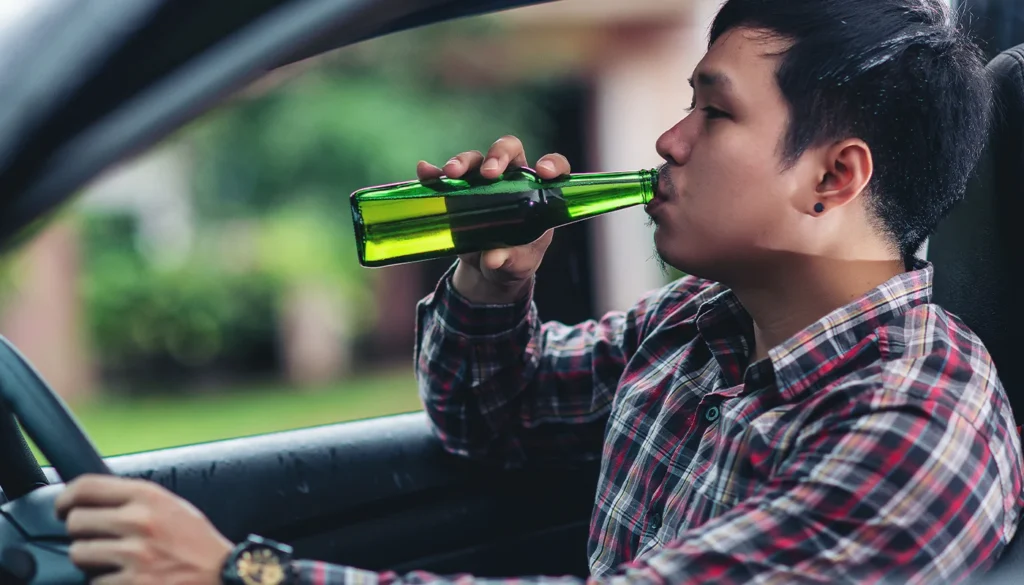
For most adult drivers in Texas, the legal BAC threshold is 0.08%. However, Texas law does not make 0.08% the only way a person can be legally intoxicated. Texas Penal Code §49.01 defines intoxication to include having an alcohol concentration of 0.08 or more, or not having the normal use of mental or physical faculties because of alcohol or another substance. Therefore, a driver may face DWI consequences even when a BAC test is below 0.08% if the evidence shows impairment.
For people dealing with a DWI allegation in Houston, understanding the difference between the legal BAC limit, impairment, and driver’s-license consequences is important. A Houston Dui Dwi Attorney can review the circumstances of a particular case and explain which Texas rules may apply.
What Is the Legal Alcohol Limit for Driving in Texas?
For drivers 21 and older operating an ordinary, non-commercial vehicle, Texas law defines intoxication at an alcohol concentration of 0.08 or more. Texas Penal Code §49.01 defines alcohol concentration by reference to alcohol measured in breath, blood, or urine.
The Texas Penal Code provisions defining intoxication explain that intoxication can also exist when a person does not have the normal use of mental or physical faculties because of alcohol, drugs, or other specified substances.
The Texas Department of Transportation similarly explains that a person is legally intoxicated at 0.08% BAC but can violate the law when alcohol or drugs affect driving ability before reaching that level. Texas Penal Code §49.04 makes it an offense to operate a motor vehicle in a public place while intoxicated. In other words, 0.08% is a statutory BAC benchmark, not a guarantee that a lower BAC is legally safe for driving.
What Does 0.08% BAC Mean?
BAC means blood alcohol concentration. A result of 0.08% means the measured alcohol concentration meets the threshold specified by Texas law for one definition of intoxication.
However, drivers should not try to calculate whether they are legally safe based on the number of drinks consumed. BAC can vary based on factors such as the amount and timing of alcohol consumed, food intake, body composition, and individual metabolism. There is also an important distinction between a BAC limit and a safe-driving rule. Texas law does not authorize a person to drive simply because they believe their BAC is below 0.08%. If alcohol has affected normal physical or mental faculties, the driver may still face a DWI allegation.
Also Read: legal limit for drunk driving in Texas
Can You Get a DWI Under 0.08% in Texas?
Yes. A person can face a DWI allegation below 0.08% if the evidence shows that alcohol or another substance impaired the person’s normal mental or physical faculties. Texas’s definition of intoxication includes both the 0.08% alcohol-concentration standard and impairment of normal faculties.
This distinction is why the phrase “legal limit” can be misleading. A BAC below 0.08% does not automatically prevent a DWI charge. If you are facing an allegation involving a BAC below 0.08%, a Houston DWI lawyer can help you understand how the available evidence may affect your case. Evidence in a DWI investigation may include driving behavior, statements, physical observations, field sobriety testing, and chemical-test results. The significance and admissibility of particular evidence depend on the circumstances of the case.
What Are the Texas BAC Limits for Different Drivers?
The applicable rule can change depending on the driver’s age and the type of vehicle being operated.
Drivers 21 and Older
For most adult drivers, 0.08% is the statutory BAC threshold for intoxication. A driver can still be accused of DWI below that level if the evidence supports impairment.
The Texas Driver Handbook from the Department of Public Safety explains that adults with a BAC of 0.08 or greater can face driver’s-license consequences and that impairment can also matter.
Drivers Under 21
Texas imposes stricter alcohol-related driving rules on people under 21. Texas Department of Transportation states that it is illegal for a person under 21 to drive with any detectable amount of alcohol in the system. This differs from the 0.08% intoxication threshold generally applicable to adult drivers. Underage drivers can therefore face consequences even when their BAC is well below 0.08%.
Commercial Drivers
Commercial motor vehicle operators face additional restrictions. Texas Department of Public Safety states that a commercial motor vehicle driver can be disqualified for operating a commercial motor vehicle with an alcohol concentration of 0.04% or greater. Federal commercial-driving regulations may also apply depending on the vehicle and circumstances. CDL holders should therefore treat alcohol-related driving allegations particularly seriously because consequences can affect both driving privileges and employment.
How Does a DWI Affect Your Driver’s License in Texas?
A DWI matter can involve two separate tracks: a criminal case and an administrative driver’s-license matter.
The Texas Department of Public Safety’s Administrative License Revocation (ALR) program is a civil administrative process that can suspend or disqualify driving privileges after certain DWI arrests involving a failed or refused breath or blood test. DPS explains that, for a non-commercial vehicle, the ALR process can apply when a test shows a BAC of 0.08% or more or when a person refuses testing under circumstances covered by the program. For commercial motor vehicles, the applicable test threshold is 0.04%. The Texas DPS ALR information also makes clear that the administrative license process is separate from the criminal DWI proceeding.
What Are the Penalties for DWI in Texas?
Texas DWI penalties depend on the offense level and circumstances. Under Penal Code §49.04, a standard DWI is generally a Class B misdemeanor with a minimum term of confinement of 72 hours, subject to statutory provisions that can increase the offense level or consequences. Texas law provides enhanced consequences in certain situations. For example, Penal Code §49.04 provides that a DWI involving an alcohol concentration of 0.15 or more at the time of analysis is a Class A misdemeanor. Separate provisions address DWI with a child passenger, intoxication assault, and intoxication manslaughter. If you are unsure how a BAC result, traffic stop, chemical testing, or driver’s-license issue may affect your case, speaking with a qualified Texas attorney can help you understand the legal issues specific to your circumstances. A dwi attorney near me can review the available information without assuming that a particular result or defense applies in every case.
Also Read: whether drunk driving is a felony in Texas
Does Houston Have a Different Legal BAC Limit?
No. Houston does not have a separate BAC limit from the rest of Texas. Texas state law establishes the intoxication standard applicable to DWI offenses throughout the state. A DWI arrest in Houston may involve the Houston Police Department, or another agency depending on where the traffic stop occurred. The location can affect which agency or court handles a matter, but it does not create a separate Houston BAC threshold.
For Houston drivers, the same Texas Penal Code definition of intoxication applies whether the alleged DWI occurred on a city street, or another public place in Texas.
What Happens If You Refuse a Breath or Blood Test?
Refusing a requested breath or blood specimen can result in administrative driver’s-license consequences under Texas’s implied-consent and ALR laws. DPS explains that the ALR program is a civil administrative process separate from the criminal DWI case. A refusal does not necessarily end the DWI investigation or determine the outcome of the criminal case. Texas law contains specific rules governing when officers may obtain specimens and how license consequences are handled. Because a refusal can create separate driver’s-license issues, someone facing a DWI-related suspension should pay close attention to DPS notices and seek qualified legal guidance about the circumstances of the arrest.
What Should You Do If You Are Facing a DWI in Houston?
If you have been arrested or cited for DWI, take practical steps to preserve information and understand both the criminal and administrative sides of the matter.
- Keep all paperwork. Save the citation, bond documents, driver’s-license notices, and paperwork provided after the arrest.
- Record the timeline. Write down where the stop occurred, when the arrest happened, what testing was requested, and what you remember.
- Preserve evidence. Keep relevant messages, videos, receipts, witness information, and other records that may help establish what happened.
- Pay attention to license issues. A criminal DWI case and an ALR matter are separate, so do not ignore a DPS notice.
- Avoid discussing the case publicly. Statements made online or elsewhere can become relevant depending on the circumstances.
- Seek legal guidance. A qualified Texas DWI attorney can review the traffic stop, arrest, testing, evidence, and potential license consequences.
Facing a DWI in Texas? Understand Your BAC and Legal Options Now
For most adult drivers, 0.08% BAC is the Texas statutory threshold for one definition of intoxication, but it is not a guaranteed “safe” BAC. Texas law also prohibits driving when alcohol or drugs impair normal mental or physical faculties. Drivers under 21 and commercial motor vehicle operators can face different or stricter rules.
If you need help understanding your DWI situation, Abogada Kim Bruno can review the circumstances of your case. Call (713) 597-4270 today to discuss your situation and request a case review.The traffic stop, impairment evidence, testing procedures, driver’s-license issues, and other facts may all affect your case. Getting legal guidance early can help you understand the potential consequences and protect your rights.