
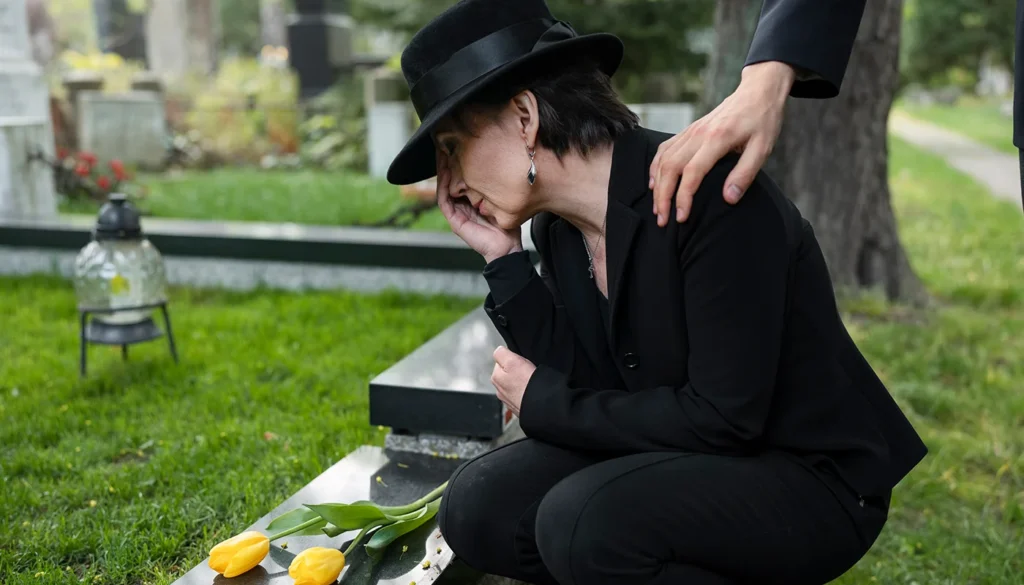
Losing a spouse, parent, or child because of someone else’s negligence can create losses that go far beyond medical bills and funeral expenses. Families may also lose the love, companionship, guidance, care, and emotional support their loved one provided. In Texas, these personal losses may be considered in a wrongful death claim. Understanding how loss of consortium and related damages work can help surviving family members understand their legal options.
A wrongful death can leave surviving family members facing financial hardship and profound emotional loss. In addition to lost income and funeral expenses, families may lose the companionship, guidance, care, and support their loved one provided. Understanding these damages can help you make informed decisions about pursuing a wrongful death claim in Texas. If you have lost a loved one because of someone else’s negligence, a Houston personal injury attorney can help you understand your legal options and pursue the compensation your family may deserve.
Understanding Loss of Consortium After a Wrongful Death
Loss of consortium describes the personal and relational losses a surviving family member may experience after losing a loved one. It can involve the loss of companionship, affection, emotional support, care, guidance, and the shared relationship that existed before death. Unlike medical expenses or lost wages, these losses are not easily measured with bills or receipts, but they can have a profound and lasting effect on a family.
In Texas, loss of consortium and loss of companionship and society are recognized as forms of noneconomic damages. These damages focus on the personal impact of the loss rather than a specific financial expense. For example, a surviving spouse may lose the companionship, affection, household support, and emotional connection provided by their spouse. A child may lose a parent’s guidance, care, affection, and support. The specific losses depend on the relationship and circumstances surrounding the death.
In a wrongful death case, it is also important to understand that loss of consortium is not necessarily a separate claim that every family member can file independently. Texas’s Wrongful Death Act allows certain surviving family members, including a spouse, child, or parent of the deceased, to pursue damages resulting from the death. If you need guidance about your rights and potential compensation, a Houston personal injury lawyer near me can help you understand how the law may apply to your circumstances. The damages may include losses related to companionship, society, and emotional suffering, depending on the circumstances of the case.
Why Loss of Consortium Matters in a Wrongful Death Case in Texas?
The impact of losing a loved one cannot always be captured by financial records. A wrongful death may change how a family functions, leaving surviving relatives without the person who provided affection, companionship, care, guidance, or everyday support.
Evidence about the relationship can therefore be important when establishing these losses. Relevant evidence may include:
- Family relationships: The nature and closeness of the relationship between the deceased and surviving family members.
- Companionship and affection: Shared activities, traditions, conversations, and emotional support.
- Caregiving responsibilities: The assistance, childcare, household support, or other care provided by the deceased.
- Guidance and support: The deceased’s role in providing advice, encouragement, parenting, or other forms of guidance.
- Family records and photographs: Photos, messages, correspondence, calendars, and other records that demonstrate the relationship.
- Impact of the loss: Testimony or other evidence describing how the death has affected the surviving family members’ daily lives and emotional well-being.
How Is Loss of Consortium Different From Other Wrongful Death Damages?
Loss of consortium focuses on the relationship and personal benefits that were lost because of the death. Economic damages, by contrast, address measurable financial losses.
For example, if a spouse dies because of a negligent driver, the surviving spouse may experience the loss of the deceased’s income as well as the loss of companionship, affection, household assistance, and emotional support. These are different types of harm, even though they arise from the same wrongful death. Texas courts have recognized that consortium and companionship involve benefits such as love, comfort, care, and society. Because these losses are personal and difficult to assign a dollar value to, evidence about the relationship can be important.
Also Read: wrongful death compensation in Texas
How Is Loss of Consortium Proven in a Wrongful Death Case?
Because loss of consortium involves personal and relational losses, there is no invoice or fixed calculation that automatically establishes its value. The evidence should show the nature of the relationship before the death and how the surviving family member’s life changed afterward.
Depending on the circumstances, evidence may help demonstrate:
- Closeness of the relationship: The strength, duration, and nature of the relationship between the deceased and surviving family member.
- Companionship and affection: Regular communication, shared activities, family traditions, and emotional connection.
- Care and household support: Childcare, household responsibilities, transportation, or other services the deceased regularly provided.
- Guidance and protection: Parenting, advice, encouragement, and other forms of personal guidance provided by the deceased.
- Emotional impact: Testimony or other evidence showing how the death affected the surviving family member’s daily life and emotional well-being.
- Changes after the death: Evidence demonstrating the practical and relational changes the family experienced following the loss.
What Evidence Can Support a Loss of Consortium Claim?
Unlike medical bills or lost wages, relationship losses do not always come with receipts or invoices. Evidence may instead demonstrate the nature and strength of the relationship between the deceased and surviving family members.
Potential evidence may include:
- Photographs and videos showing family relationships
- Text messages, emails, or other communications
- Testimony from family members and close friends
- Evidence of shared activities and responsibilities
- Records showing financial or household support
- Testimony regarding the deceased’s role in caring for children
- Evidence of the emotional impact of the loss
Who Can Recover Wrongful Death Damages in Texas?
Texas law generally allows the surviving spouse, children, and parents of the deceased to bring a wrongful death action. One or more eligible beneficiaries may file the action on behalf of all eligible beneficiaries. Speaking with a personal injury lawyer Houston, tx can help surviving family members understand who may qualify and what damages may be available. Depending on the circumstances, damages may address losses such as:
- Loss of companionship and society
- Loss of love, guidance, and support
- Mental and emotional anguish
- Lost financial support
- Loss of household services
- Medical and funeral expenses
- Other damages permitted under Texas law
Also Read: who can file a wrongful death lawsuit in Texas
How Much Is Loss of Consortium Worth in a Wrongful Death Case?
There is no fixed dollar amount for loss of consortium in Texas. The value depends on the individual circumstances of the case, including the relationship between the deceased and the claimant and the nature and extent of the losses suffered.
A jury may consider the closeness of the relationship, the services and support provided by the deceased, and the effect the death has had on the surviving family members. Texas law provides that wrongful death damages are awarded in an amount proportional to the injury resulting from the death and are divided among eligible beneficiaries according to the jury’s verdict. The length and quality of the relationship may also be relevant when demonstrating the extent of the loss. Evidence showing the deceased’s involvement in family life, caregiving responsibilities, emotional support, and shared activities can help illustrate the impact that cannot be captured through financial records alone.
Because noneconomic losses are subjective, an attorney must present evidence that clearly demonstrates the family’s loss rather than relying on a generalized calculation.
Does Texas Put a Cap on Loss of Consortium Damages?
Texas does not impose one universal dollar cap specifically on loss of consortium damages in every wrongful death case. Whether a limitation applies depends on the type of claim, the defendant involved, and the damages being sought. Texas law separately addresses noneconomic and exemplary damages under Chapter 41 of the Texas Civil Practice and Remedies Code.
Factors that may affect whether a damages limitation applies include:
- Type of defendant: Claims against medical providers, governmental entities, or other specially regulated defendants may be subject to different rules.
- Type of damages: Noneconomic damages, such as loss of companionship and society, may be treated differently from economic damages.
- Exemplary damages: Additional limitations may apply when a wrongful death claim includes punitive or exemplary damages.
- Applicable statute: The specific Texas statute governing the defendant and type of claim must be reviewed to determine whether a cap applies.
- Case-specific circumstances: The relationship between the deceased and surviving family member and the losses resulting from the death can affect the damages sought.
How Abogada Kim Bruno Can Help With a Wrongful Death Claim
After losing a loved one because of another party’s negligence, surviving family members may face difficult legal, financial, and emotional challenges. Insurance companies may attempt to minimize the claim, dispute liability, or offer less compensation than the family may be entitled to receive. Abogada Kim Bruno can handle the legal process while your family focuses on grieving and moving forward.
Abogada Kim Bruno can also manage communications and negotiations with insurance companies, protecting the family from pressure to accept an inadequate settlement. If the parties cannot reach a fair resolution, she can prepare the case for litigation and advocate for the family in court. From the initial investigation through settlement negotiations or trial, experienced legal representation can help protect your rights and pursue the compensation your family deserves.