

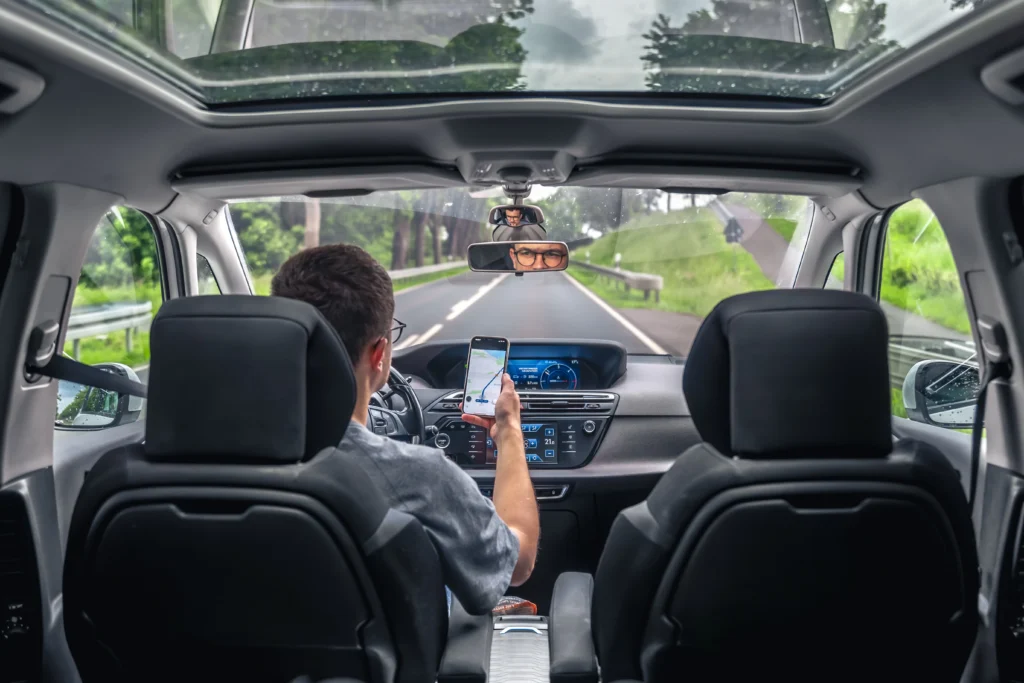
Autonomous vehicles are no longer just a science experiment. Rideshare companies, including Uber, have partnered with self-driving technology companies to offer driverless or supervised rides in several U.S. cities, including parts of Texas. When one of these vehicles crashes, injured people quickly run into a difficult question: who is responsible when the car was driving itself and a backup driver was supposed to be watching? A self driving car accident attorney can help sort through these overlapping parties.
Understanding Uber self-driving backup driver liability matters because these cases often involve more defendants, more insurance policies, and more technical evidence than a typical crash.
What Does A Backup Driver Do?
A backup driver, sometimes called a safety operator or vehicle operator, sits behind the wheel while an automated system controls the car. Their job is to monitor the road and take control if the system makes a mistake or encounters a situation it cannot handle. When a backup driver is distracted or slow to react, their own negligence can become part of the case.
What Happened In The 2018 Uber Self-Driving Crash?
The most well-known example occurred in Tempe, Arizona, in 2018, when an Uber test vehicle operating in autonomous mode struck and killed a pedestrian. Investigators found the backup driver had been looking down at a phone before the crash. Uber was not criminally charged, but the backup driver later pleaded guilty to an endangerment charge. Uber also reached a settlement with the victim’s family. The case showed that both the company and the human operator can face consequences after an autonomous vehicle crash.
Who Can Be Liable in a Self-Driving Rideshare Crash?
A self-driving rideshare crash can involve several responsible parties, not just one driver. Identifying each one early helps you find all available insurance coverage.
- The Backup Driver: If the safety operator was distracted, impaired, or failed to take over when needed, they may be found negligent. Their job is to monitor the vehicle and step in, so inattention can support a claim.
- The Operator or Technology Company: Under Texas Transportation Code Chapter 545, Subchapter J, the owner of an automated driving system is generally considered the operator when the system is engaged. Companies that deploy these vehicles may also be responsible for how they train and supervise backup drivers.
- Uber or the Rideshare Platform: Depending on the business arrangement, Uber may be responsible for its own policies, the trip itself, or passenger safety. Contracts with its technology partners can affect who ultimately pays.
- The Vehicle or Software Manufacturer: Defects in sensors, software, or braking systems may support a product liability claim. These cases often rely on vehicle data showing what the system detected and how it responded.
- Other Drivers: Another human driver may have caused or contributed to the crash. Their share of fault can affect who pays, and their insurance may be an available source of recovery.
What Does Uber’s Insurance Policy Cover?
For traditional rides with human drivers, Uber generally maintains up to $1 million in third-party liability coverage while a trip is in progress, along with uninsured and underinsured motorist coverage in many states. For autonomous rides, coverage may come from Uber, its technology partner, or both, depending on their agreement. Identifying the right policy early is critical. An experienced uber accident lawyer Houston can request policy information and demand that companies preserve data.
What Evidence Matters In These Cases?
- Vehicle sensor data: Camera, lidar, and radar recordings from the vehicle.
- Software logs: Records showing what the system detected and when it responded.
- Backup driver monitoring data: In-cabin camera footage and other records of the driver’s attention.
- Disengagement records: Data showing when control switched between the system and the driver.
- Trip records: Ride details from the rideshare app, such as route, timing, and passengers.
Companies control most of this data, so sending a preservation letter quickly is essential.
How Does Texas Law Treat Autonomous Vehicles?
Texas has allowed automated vehicles on public roads since 2017, and lawmakers have since added more oversight for companies operating driverless vehicles. Standard negligence and product liability rules still apply, and Texas comparative fault rules can affect how responsibility is divided among multiple parties.
What Should You Do After A Self-Driving Vehicle Crash?
- Call 911: Get medical care right away, even if your injuries seem minor.
- Photograph the vehicle: Capture any company logos, sensors, and the license plate.
- Note whether a backup driver was present: Write down what they were doing at the time of the crash.
- Save your app receipts: Keep trip details and ride records if you were a passenger.
- Avoid recorded statements: Do not give one to any company’s insurer before getting legal advice.
Get Help After A Self-Driving Or Rideshare Crash In Houston
Autonomous vehicle and rideshare crashes involve complex technology, multiple companies, and layered insurance policies. Abogada Kim Bruno helps injured riders, drivers, and pedestrians in Houston identify every responsible party and pursue full compensation. If you need a rideshare accident lawyer who understands these evolving claims, contact the firm today for a free consultation.
Frequently Asked Questions
Can I Sue the Backup Driver Directly?
Possibly, if the backup driver was distracted or failed to take control when needed. However, the company that employs or contracts with them is often the more important defendant.
Are Passengers in a Self-Driving Uber Protected?
Yes, passengers may have claims against several parties. These can include the operator, the rideshare company, or other at-fault drivers.
How Long Do I Have to File a Claim in Texas?
Generally, you have two years from the date of the crash. Waiting too long can bar your claim, so it is best to act quickly.