

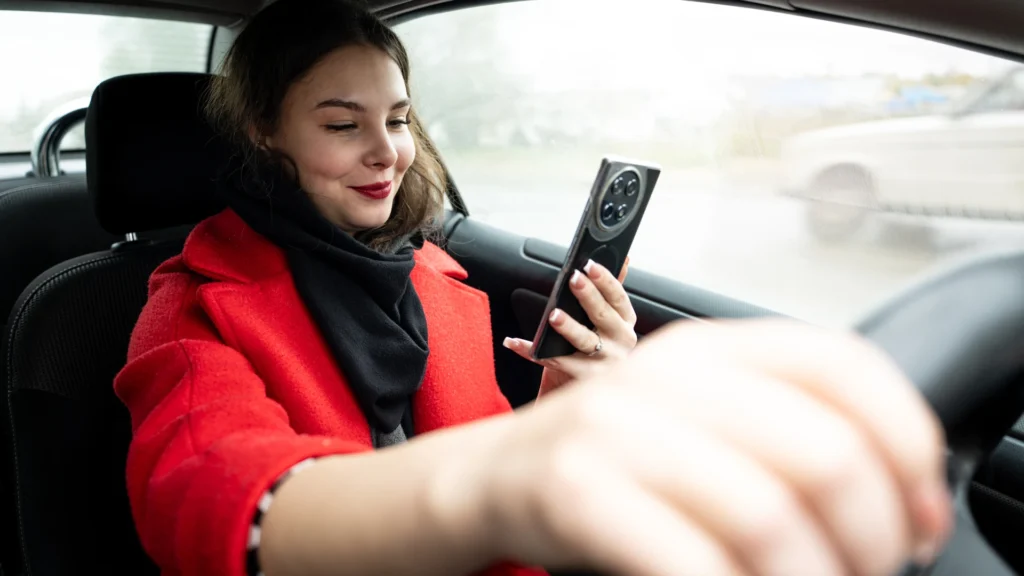
Yes. Texting while driving can affect auto insurance after a crash, particularly when evidence shows that distracted driving contributed to the collision. A ticket or citation can also affect a driver’s insurance record, although insurers use their own underwriting and rating rules. In Texas, texting while driving is generally prohibited when a driver uses a portable wireless device to read, write, or send an electronic message while operating a motor vehicle, unless an exception applies. Whether insurance rates, coverage, or a claim changes depends on the policy, driving record, evidence, and circumstances of the accident.
For Houston drivers, insurance consequences can extend beyond a traffic citation. An insurer may examine the circumstances of a crash when deciding fault, evaluating a claim, or underwriting future coverage. If another driver was texting and caused your collision, evidence of phone use may support your effort to establish liability. A car accident lawyer Houston victims can consult can review crash evidence, insurance communications, and available records to explain how texting may affect a claim. Texas law does not make every texting violation automatically determine civil fault, so the facts matter.
What Research Shows About Distracted Driving
Research from Cambridge Mobile Telematics (CMT), cited by Allstate, examined driving behavior among hundreds of thousands of drivers to better understand the connection between distracted driving and crashes. The findings demonstrate how even brief periods of distraction can increase the risk of a collision.
According to the research:
- Distracted driving occurred during 52% of trips that resulted in a car crash.
- Drivers involved in crashes experienced an average of 135 seconds of distraction during the trip.
- For 20% of distracted drivers, phone-related distractions lasted two minutes or longer. These distractions also frequently occurred at higher speeds, with 29% occurring when vehicles were traveling faster than 56 mph.
- The 10% of drivers with the highest levels of distraction were 2.3 times more likely to be involved in a crash than the average driver and 5.8 times more likely than the 10% of drivers with the lowest levels of distraction.
These findings help illustrate why texting while driving can be more than a traffic-law issue. Looking at a phone, reading a message, or responding to a text can take a driver’s attention away from the road for a significant period. When a distracted driver causes a collision, evidence of that behavior may become relevant when evaluating what happened and how fault should be determined.
Does Texting While Driving Raise Insurance Rates?
Texting while driving can contribute to higher insurance costs when it results in a ticket, accident, or other driving-record event that an insurer considers when underwriting or rating a policy. However, Texas law does not set one automatic premium increase for texting. Insurance companies apply their own underwriting rules within applicable Texas insurance requirements.
The Texas Department of Insurance explains that companies may charge more when a driver has multiple accidents or tickets and that some companies may decline to sell a policy to drivers with certain records. The effect of texting may therefore depend on whether the conduct led to a citation, crash, claim, or combination of events.
Can a Texting Ticket Increase Car Insurance?
A texting ticket can become part of the circumstances an insurer considers, but a citation does not guarantee a particular premium increase. The effect can depend on the insurer, driver’s record, policy, and other underwriting factors. Texas Transportation Code Section 545.4251 generally makes it an offense to use a portable wireless communication device to read, write, or send an electronic message while operating a motor vehicle unless the vehicle is stopped. The statute contains exceptions, including certain hands-free, navigation, emergency, and traffic-related uses.
How Does Texting Affect an Insurance Claim After a Crash?
Texting can affect an insurance claim when evidence connects phone use to the collision. An insurer may investigate the sequence of events, statements from drivers and witnesses, photographs, police information, vehicle damage, and other evidence. If the driver admits texting or records support that allegation, the information may become relevant to the insurer’s assessment of the claim.
If you were injured by a driver who was allegedly texting, the key issue is whether evidence supports that the driver was distracted and that the distraction contributed to the crash. Insurers may dispute liability even when a citation was issued. The Texas Department of Insurance advises drivers to document the scene, gather witness information, report the accident, and preserve relevant records.
Read Related: Is Driving and Texting Illegal?
Can Texting Prove Fault in a Texas Car Accident?
Texting can be evidence supporting a fault argument, but it does not automatically prove civil liability. Texas negligence claims generally require evidence concerning duty, breach, causation, and damages. In practical terms, a claimant must connect the driver’s conduct to the collision and resulting losses rather than relying only on the fact that a phone was present.
This distinction matters in Houston crashes because traffic enforcement and civil insurance claims serve different purposes. A police officer may issue a citation based on observed conduct or available evidence, while an insurer evaluating a bodily injury or property-damage claim must assess facts relevant to coverage and liability. The Texas Department of Insurance also notes that it cannot decide who was at fault in an accident. If you were injured in a collision and believe the other driver was texting, getting legal guidance from a car accident lawyer near me early can help you understand what evidence may matter and how to communicate with insurers.
What Evidence Can Show a Driver Was Texting?
Evidence of texting may come from several sources. No single item is necessarily decisive, and some phone-related records may require appropriate legal procedures to obtain.
- Police reports and citations: A report may document an officer’s observations, statements, or citation information.
- Witness statements: Passengers, pedestrians, nearby drivers, or other witnesses may describe what they saw immediately before the crash.
- Admissions: Statements made by a driver at the scene, to witnesses, or during an insurance investigation may become relevant.
- Phone records: Call or messaging records may help establish device activity at a particular time, although records may not by themselves prove exactly what the driver was doing.
- Vehicle or scene evidence: Photos, traffic-camera footage, dashcam video, and vehicle damage may help establish the sequence of events.
- Expert analysis: In a disputed case, appropriate experts may evaluate available evidence and explain whether it supports a particular account of the collision.
Does Texting Affect Your Own Insurance If You Were in a Crash?
Your own insurance may still provide coverage after a crash even if you were accused of texting, but the result depends on your policy and circumstances. Liability coverage generally addresses injuries and property damage you cause to others. Collision coverage can help pay for damage to your own vehicle, subject to the policy and deductible.
Texas Department of Insurance guidance explains that if another driver was at fault and refuses to pay, a driver may be able to make a claim under their own collision coverage. Uninsured or underinsured motorist coverage may also apply in qualifying situations when the at-fault driver lacks sufficient insurance. Coverage questions should be evaluated against the actual policy language.
What Should You Do After a Crash Involving Texting?
If you suspect texting caused your Houston-area crash, take practical steps that preserve information without escalating the situation.
- Get medical care for injuries and follow appropriate treatment instructions.
- Report the collision as required and obtain the police report when available.
- Photograph the scene including vehicle damage, roadway conditions, and traffic controls.
- Collect witness information including names and contact details.
- Save available video from dashcams or surveillance systems that you lawfully possess.
- Notify your insurer promptly and provide accurate information.
- Keep documentation such as medical bills, repair estimates, receipts, correspondence, and claim records.
- Preserve relevant records on your own devices rather than deleting potentially important information.
- Review releases carefully before signing documents that could affect your claim.
- Consider legal guidance if fault, injuries, coverage, or the value of your claim is disputed.
When Should You Contact a Car Accident Lawyer?
Consider contacting an attorney when texting is disputed, injuries are significant, fault is contested, an insurer denies liability, or a settlement offer does not account for documented losses. Prompt review can also help you understand what evidence to preserve before it becomes harder to obtain. A Houston motor vehicle accident lawyer may be a useful search for Houston-area victims, but location alone does not determine whether an attorney is appropriate. Look for counsel who can explain Texas law, the evidence needed, and insurance issues affecting your claim.
After a Texting-Related Crash, Protect Your Claim Before It’s Too Late
If you were injured in a texting-related crash in Houston, act promptly to protect your claim. Preserve photos, videos, witness information, medical records, crash reports, and relevant insurance communications, and avoid making statements that could be misinterpreted about fault. Understanding how the evidence, insurance coverage, and circumstances of the collision fit together can help you make informed decisions about your next steps. Abogada Kim Bruno can review the circumstances of your crash, the available evidence, and the legal issues that may affect your personal injury claim.