
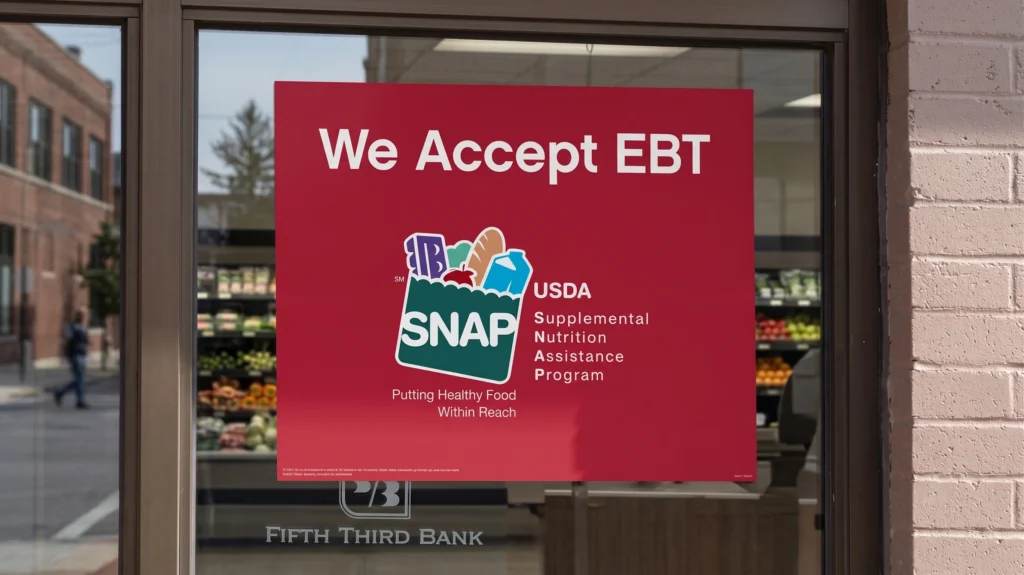
No, undocumented immigrants generally are not eligible to receive Supplemental Nutrition Assistance Program (SNAP) benefits, commonly known as food stamps. Federal law limits SNAP eligibility based on immigration status, although certain lawfully present non-citizens may qualify if they meet specific requirements. In some mixed-status households, eligible U.S. citizen children can still receive SNAP benefits even if their undocumented parents cannot. If you have questions about your immigration status or eligibility for public benefits, our immigration attorney Houston can help you understand your legal options.
Who Is Eligible for SNAP Benefits?
The Supplemental Nutrition Assistance Program (SNAP) helps eligible individuals and families purchase nutritious food. Although SNAP is administered by individual states, eligibility is primarily based on federal law. To qualify, applicants must meet financial requirements and satisfy citizenship or immigration eligibility rules.
U.S. Citizens
U.S. citizens who meet the program’s income, household, and resource requirements may qualify for SNAP benefits. Eligibility is determined based on federal guidelines and the specific rules of the state administering the program.
Lawful Permanent Residents
Lawful permanent residents (green card holders) may qualify for SNAP benefits if they meet the applicable immigration and financial eligibility requirements. In some cases, additional conditions, such as length of residency or qualifying work history, may apply.
Refugees, Asylees, and Other Humanitarian Immigrants
Certain humanitarian immigrants, including refugees, asylees, individuals granted withholding of removal, Cuban and Haitian entrants, and other qualified non-citizens recognized under federal law, may be eligible for SNAP if they satisfy the program’s financial requirements.
Income and Household Requirements
Meeting the immigration eligibility rules alone does not guarantee SNAP benefits. Applicants must also satisfy income, household size, and other financial requirements established under federal and state guidelines. Eligibility is determined based on the circumstances of each household.
Can Undocumented Immigrants Receive Food Stamps?
In most cases, undocumented immigrants are not eligible to receive SNAP benefits. Federal law generally restricts food stamp eligibility to U.S. citizens and certain qualified non-citizens. Individuals who are living in the United States without lawful immigration status typically cannot receive these benefits for themselves.
However, immigration status is only one part of the eligibility process. Household income, family size, and other financial factors are also considered when determining whether eligible household members may receive assistance. Because immigration laws and public benefit rules can be complex, individuals should avoid making assumptions about eligibility without obtaining accurate legal guidance.
Can U.S. Citizen Children Receive SNAP?
Yes. A child who is a U.S. citizen may qualify for SNAP benefits even if one or both parents are undocumented immigrants. SNAP eligibility is determined individually, meaning an eligible child is not automatically disqualified because of a parent’s immigration status.
When a family applies for benefits, the state agency evaluates the eligibility of each household member separately. While undocumented parents generally cannot receive SNAP benefits for themselves, they may apply on behalf of their eligible children. This distinction is especially important for mixed-status families, where some household members have lawful immigration status or U.S. citizenship while others do not.
What About Mixed-Status Households?
Many families in the United States include members with different immigration statuses. These are commonly referred to as mixed-status households. In these families, some individuals may qualify for SNAP benefits while others do not. For example:
- U.S. citizen children may qualify for SNAP benefits.
- Eligible lawful permanent residents may also receive benefits.
- Undocumented household members generally cannot receive SNAP themselves.
- Household income may still be considered when determining benefit amounts for eligible family members.
Because each household is different, eligibility calculations can become complicated. Understanding how immigration status affects each member of the household is important before applying for benefits.
Do Food Stamps Affect Immigration Status?
Many immigrants worry that applying for or receiving public benefits could negatively affect their immigration status. In general, receiving SNAP benefits that you are legally eligible to receive is different from receiving benefits fraudulently or claiming benefits for which you do not qualify. Whether public benefits affect an immigration case depends on several factors, including:
- Your current immigration status
- The specific immigration benefit you are seeking
- The type of public benefit received
- Current federal immigration laws and regulations
Because immigration policies can change over time, it is important to obtain legal advice before applying for public benefits if you have concerns about how they may affect your immigration case.
Can Applying for SNAP Lead to Deportation?
Simply applying for SNAP benefits does not automatically result in deportation. However, individuals should ensure that any information provided on a benefit application is truthful and accurate. Providing false information, using fraudulent documents, or intentionally claiming benefits for which you are not eligible can create serious legal consequences and may negatively affect future immigration matters.
If you are unsure whether you qualify for SNAP or another public benefit, it is best to seek legal guidance before submitting an application. An immigration lawyer can review your circumstances and help you avoid mistakes that could impact your case.
What Other Food Assistance Programs May Be Available?
Although undocumented immigrants are generally ineligible for SNAP benefits, some families may qualify for other forms of food assistance through community organizations, schools, or state and local programs. Eligibility requirements vary depending on the program and where you live. Some assistance programs may include:
- Emergency food assistance from local food banks
- Community food pantries
- School breakfast and lunch programs for eligible children
- Women, Infants, and Children (WIC) benefits for qualifying mothers and young children
- State or local nutrition assistance programs where available
Because eligibility rules differ by program, it is important to review the specific requirements before applying.
When Should You Speak With a Lawyer?
If you have questions about your immigration status or are concerned about how public benefits could affect your future, speaking with an immigration lawyer can provide clarity and peace of mind. Every immigration case is different, and the best course of action depends on your individual circumstances. You should consider consulting an immigration lawyer if you:
- Are unsure about your immigration status
- Live in a mixed-status household
- Have questions about SNAP or other public benefits
- Want to apply for lawful permanent residence
- Need help with a family-based immigration petition
- Are applying for humanitarian relief
- Have received notices from immigration authorities
- Are facing deportation or removal proceedings
Obtaining legal advice before making important immigration decisions can help you protect your rights and avoid unnecessary complications.
How Our Immigration Lawyer Can Help
Understanding immigration laws and public benefit rules can be overwhelming, especially when your family’s future may be affected. Our immigration attorney near me provides personalized guidance to help individuals and families understand their legal rights and explore the immigration options available to them. Our attorney can assist with:
- Reviewing your immigration status
- Explaining eligibility for immigration benefits
- Family-based immigration petitions
- Green card and adjustment of status applications
- Immigration waivers
- Deportation and removal defense
- Asylum and other humanitarian relief
- Representation before immigration courts and government agencies
Every case is unique, and we are committed to helping you make informed decisions based on your individual circumstances.
Explore Your Immigration Options
Although undocumented immigrants generally cannot receive SNAP food stamp benefits, some family members in mixed-status households may still qualify if they meet the program’s eligibility requirements. Understanding the rules surrounding public benefits and immigration status is essential before applying for any government assistance.
If you or a loved one has questions about immigration status, public benefits, or available legal options, our immigration lawyer is here to help. We can review your situation, explain the laws that apply to your case, and guide you through the immigration process with confidence. Contact Abogada Kim Bruno today to schedule a consultation and learn how we can help protect your future.