
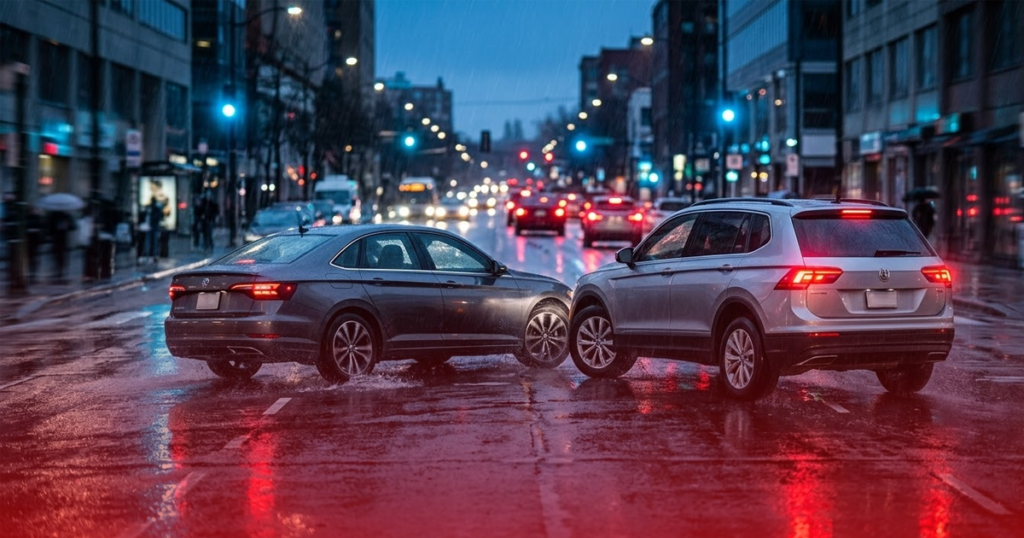
In a Houston car accident, determining whether the other driver was negligent or reckless can affect your legal rights, compensation, and potential criminal liability. These terms refer to distinct behaviors under Texas law, with negligence usually leading to civil liability and recklessness potentially triggering criminal charges under Texas Transportation Code § 545.401. Understanding the difference is crucial, and consulting a car accident attorney Houston can help protect your rights and navigate the legal process.
What is Negligent Driving?
Negligent driving occurs when a driver fails to exercise reasonable care, creating a risk of harm without intent, allowing victims to seek compensation under Texas Civil Practice & Remedies Code § 41.001, and may lead to criminal liability if aggravating factors like intoxication under Texas Penal Code § 49.04 are involved.
Examples of Negligent Driving
- Distracted driving: Texting, adjusting the radio, or reaching for objects while driving.
- Failure to yield: Ignoring right-of-way at stop signs or traffic signals.
- Inadequate attention: Failing to check mirrors or blind spots before merging or changing lanes.
- Improper signaling: Not signaling when turning or changing lanes.
These behaviors demonstrate a lack of reasonable care and increase the likelihood of accidents, but they usually do not indicate intentional harm.
Consequences of Negligent Driving
Negligent driving generally results in civil liability and may also lead to traffic citations:
- Fines and points on your driving record.
- Civil liability for medical expenses, property damage, lost wages, and pain and suffering.
- Criminal charges are uncommon unless aggravating factors like intoxication are involved.
Even without criminal charges, victims can pursue compensatory damages under Texas Civil Practice & Remedies Code § 41.001, holding negligent drivers financially accountable for the harm they cause.
What is Reckless Driving?
Reckless driving is a willful disregard for others’ safety, defined under Texas Transportation Code § 545.401 as a Class B misdemeanor punishable by fines, jail time, and license suspension. Unlike negligent driving, it involves intentional dangerous behavior, such as excessive speeding, street racing, aggressive lane changes, or running red lights, and may result in additional criminal liability under Texas Penal Code § 22.01 if serious injury occurs.
Examples of Reckless Driving
- Excessive speeding: Driving far above the posted limit or too fast for road conditions.
- Street racing: Unauthorized speed contests with other drivers.
- Aggressive lane changes: Weaving in and out of traffic, cutting off other vehicles, and tailgating.
- Running red lights or stop signs: Ignoring traffic signals at high speeds.
These behaviors create immediate risk and often result in serious accidents.
Consequences of Reckless Driving
Conviction for reckless driving can result in:
- Fines up to $500 under Texas Transportation Code § 545.401.
- Up to 30 days in jail.
- License suspension for a designated period.
- Increased insurance premiums or policy cancellations.
Reckless driving can lead to civil liability and punitive damages for intentional disregard of safety. An experienced personal injury lawyer Houston is crucial to help victims navigate the legal process, maximize compensation, and ensure all damages are properly recovered.
Negligent Driving and Personal Injury Liability
Victims of negligent drivers are generally entitled to compensatory damages for the harm caused, even if no criminal charges are filed. Civil lawsuits under Texas Civil Practice & Remedies Code § 41.001 allow victims to recover financial compensation, ensuring negligent drivers remain responsible for injuries and losses resulting from their carelessness.
- Medical expenses: This includes emergency room visits, hospital stays, surgeries, prescription medications, physical therapy, rehabilitation, medical equipment, and ongoing care related to the accident.
- Property damage: Covers repair or replacement of damaged vehicles, personal belongings, or other property affected by the accident.
- Lost income: Compensation for wages or salary lost due to missed work, reduced earning capacity, or temporary or permanent disability caused by the accident.
- Pain, suffering, and emotional distress: Covers both physical pain from injuries and the mental and emotional impact, including anxiety, depression, trauma, or diminished quality of life.
Reckless Driving and Personal Injury Liability
Victims of reckless driving may be entitled to both compensatory and punitive damages, which punish intentional misconduct and deter similar behavior. Because reckless driving reflects a conscious disregard for safety, courts often award substantial compensation. Consulting a personal injury lawyer Houston can help victims navigate complex claims, maximize recovery, and ensure all damages are properly documented:
- Both compensatory and punitive damages may be awarded: Compensatory damages cover medical expenses, lost income, property damage, and pain and suffering, while punitive damages punish the driver for intentional misconduct.
- Reckless conduct increases financial penalties for the driver: The deliberate nature of the behavior often leads to higher court-ordered financial responsibility.
- Serious accidents may involve criminal liability: If reckless driving causes significant injury, additional criminal charges may apply under Texas Penal Code § 22.01, which can influence civil proceedings and settlements.
Negligent Driving and Insurance Claims
Insurance companies typically cover damages resulting from negligent driving, as the driver’s actions are generally considered unintentional. Victims can rely on the at-fault driver’s auto insurance to recover losses, though the driver may face higher premiums after the accident.
- Standard insurance coverage: Negligent drivers are usually protected under their regular auto insurance policies, which cover property damage, medical expenses, and related costs caused by the accident.
- Premium increases: After an at-fault accident, insurance companies often raise the negligent driver’s premiums to reflect the increased risk, which may affect future insurance costs.
- Victim recovery: Injured parties can claim compensation for medical bills, vehicle repairs, lost income, and other financial losses directly through the at-fault driver’s insurance.
- Claim process simplicity: Negligent driving claims are generally straightforward because insurers recognize the driver’s actions were unintentional, making it easier for victims to obtain compensation without extensive litigation.
Reckless Driving and Insurance Claims
Reckless driving is considered a high-risk behavior by insurance companies, which can make claims more complicated and financially significant for the driver. Because it often involves intentional misconduct, insurers may impose stricter restrictions or refuse coverage entirely, potentially leaving the driver personally responsible for damages.
- Policy cancellations or restrictions: Insurance companies may cancel the policy or limit coverage if the driver is found guilty of reckless driving, as it reflects a higher likelihood of future claims.
- Significant premium increases: Drivers convicted of reckless driving often face substantially higher insurance premiums due to the increased risk, sometimes for several years.
- Coverage denial: Insurers may refuse to pay for damages caused by intentional or reckless conduct, forcing the driver to cover medical bills, property damage, or legal settlements out of pocket.
- Civil lawsuits for victims: When insurance coverage is denied, victims may need to file a civil lawsuit against the at-fault driver to recover compensation for injuries, property damage, lost income, and pain and suffering.
Defenses Against Negligent or Reckless Driving Charges
Drivers facing negligent or reckless driving charges have several potential defenses to reduce or avoid penalties. These defenses focus on challenging the evidence, demonstrating contributing factors, or clarifying the classification of the driver’s actions. Even with a strong defense, if negligence or recklessness is proven, civil, financial, and, in some cases, criminal consequences may still apply.
- Insufficient evidence: Arguing that the evidence presented does not clearly support claims of negligence or reckless behavior, such as conflicting witness statements or a lack of accident documentation.
- External factors: Demonstrating that outside conditions contributed to the accident, including adverse weather, poor road maintenance, unexpected obstacles, or mechanical failure of the vehicle.
- Misclassification of conduct: Contending that the driver’s behavior was negligent rather than reckless, which can reduce criminal penalties, fines, and insurance consequences.
- Mitigating circumstances: Presenting additional factors, such as emergencies or unavoidable hazards, that may reduce the driver’s legal responsibility for the accident.
Seek Professional Legal Help
Understanding the difference between negligent and reckless driving is essential in Houston, Texas. If you’ve been injured or are facing charges, working with an experienced Houston traffic lawyer is critical. Our qualified attorney can:
- Navigate Texas traffic and personal injury laws.
- Advise on civil claims and insurance recovery.
- Defend against reckless driving charges or negotiate penalties.
Abogada Kim Bruno handles cases involving both negligent and reckless drivers. We are committed to ensuring justice and helping clients pursue the compensation or defense they deserve. Contact us today for a free consultation to discuss your case and explore your legal options.