
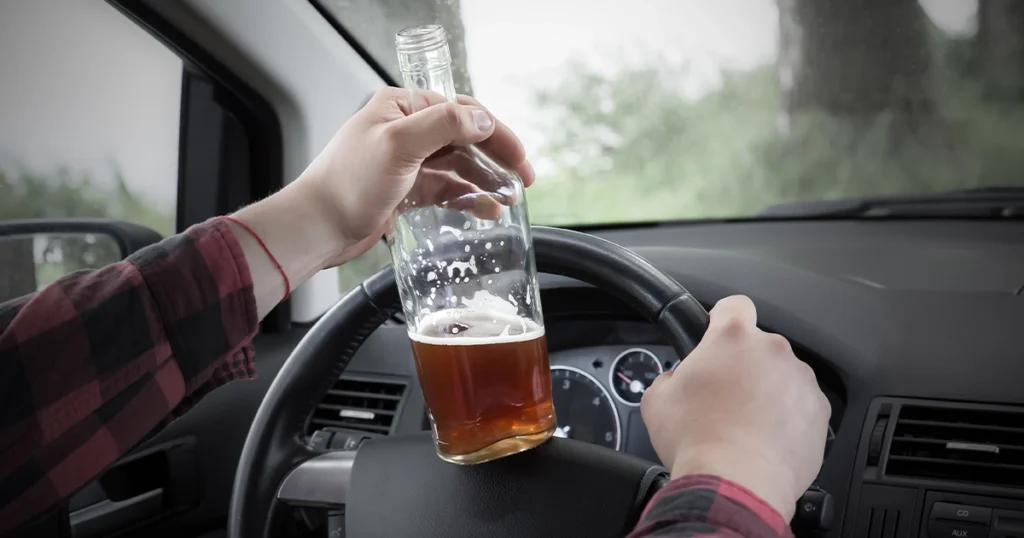
Drunk driving is a serious criminal offense in Houston, Texas, and it can have life-altering consequences. While many assume driving under the influence is always treated as a minor offense, Texas law allows DWI charges to escalate into felonies under specific and severe circumstances. Understanding when a DWI becomes a felony, and what that means under Texas law, is critical for drivers, defendants, and families alike.
If you are involved in an accident caused by a drunk driver, consulting a personal injury lawyer in Houston can help protect your rights, pursue compensation, and navigate the legal complexities. This article explains how Texas law classifies drunk driving offenses, when a DWI becomes a felony in Houston, and the potential penalties and long-term consequences that can follow.
What Is Drunk Driving Under Texas Law?
In Texas, drunk driving is legally referred to as Driving While Intoxicated (DWI). Under Texas Penal Code §49.01, a driver is considered intoxicated if they:
- Have a blood alcohol concentration (BAC) of 0.08% or higher, or
- Do not have the normal use of mental or physical faculties due to alcohol, illegal drugs, prescription medications, or a combination of substances.
Importantly, Texas law does not require a specific BAC level if impairment can be proven through evidence such as officer observations, field sobriety tests, or witness testimony. This means a driver can still face DWI charges even if their BAC is below the legal limit.
Although many people assume a DWI is comparable to a traffic ticket, it is a criminal offense under Texas Penal Code §49.04 and can carry jail time, fines, and long-term legal consequences.
When Is Drunk Driving a Misdemeanor?
In Houston, drunk driving is generally charged as a misdemeanor when:
- It is a first-time offense.
- No one is injured.
- No child passengers are involved.
- There are no prior DWI convictions.
A first DWI offense is typically a Class B misdemeanor under Texas Penal Code §49.04(a). If the driver’s BAC is 0.15% or higher, the charge may be elevated to a Class A misdemeanor under §49.04(d). A second DWI offense is also usually charged as a Class A misdemeanor.
Even as misdemeanors, these charges can result in jail time, fines, license suspension, and mandatory education or treatment programs. A misdemeanor DWI should never be considered minor or inconsequential.
When Does Drunk Driving Become a Felony?
Drunk driving becomes a felony in Texas when certain aggravating circumstances are present. These situations are outlined in Texas Penal Code Chapter 49, which governs intoxication-related offenses.
Repeat DWI Offenses
A third or subsequent DWI conviction is typically charged as a third-degree felony under Texas Penal Code §49.09(b). Texas treats repeat offenses as evidence of ongoing dangerous behavior, and penalties increase dramatically for habitual offenders. Prison sentences and substantial fines are common in these cases.
DWI with a Child Passenger
Driving while intoxicated with a passenger under the age of 15 automatically elevates the offense to a state jail felony under Texas Penal Code §49.045. Texas law takes an especially harsh view of endangering children, even if no accident occurs.
Intoxication Assault
When a drunk driver causes an accident that results in serious bodily injury, the charge may become Intoxication Assault under Texas Penal Code §49.07. This offense is classified as a felony and can lead to lengthy incarceration, particularly when injuries are severe or permanent.
Intoxication Manslaughter
If a person dies as a result of intoxicated driving, the driver may be charged with Intoxication Manslaughter under Texas Penal Code §49.08, a second- or third-degree felony. These are among the most serious drunk driving charges in Texas and often result in long prison sentences and devastating emotional consequences for all parties involved.
Other Aggravating Factors
Additional circumstances that may contribute to felony charges include:
- Extremely high BAC levels.
- Driving with a suspended or revoked license due to prior DWI.
- Hit-and-run incidents involving intoxication.
- Prior felony DWI convictions.
Each case is evaluated based on its specific facts, and prosecutors have broad discretion in pursuing felony charges.
Penalties for Felony Drunk Driving in Texas
Felony DWI convictions in Houston carry severe penalties that may include:
- Prison sentences ranging from 2 to 20 years.
- Fines up to $10,000 or more.
- Extended driver’s license suspension or permanent revocation.
- Mandatory alcohol or drug treatment programs.
- Probation with strict conditions, such as electronic monitoring, travel restrictions, and regular reporting.
Long-Term Consequences of a Felony DWI
The impact of a felony drunk driving conviction extends far beyond the courtroom. Individuals may face:
- A permanent criminal record.
- Difficulty finding or keeping employment.
- Loss of professional licenses.
- Barriers to housing and education.
- Reputational damage within the community.
- Significant emotional and psychological stress.
These consequences underscore why felony DWI charges should be taken seriously from the very beginning.
How Lawyers Can Help
Facing a felony DWI charge in Houston requires experienced legal representation and a strategic defense. Our personal injury lawyer in Houston understands how Texas prosecutors build DWI cases and how to challenge them effectively. We assist clients by:
- Conducting a thorough review of police procedures and evidence.
- Challenging breath and blood test accuracy.
- Identifying constitutional or procedural violations.
- Negotiating for reduced charges or alternative sentencing when appropriate.
- Developing a defense strategy tailored to the unique facts of each case.
Every DWI case is different, and a strong defense can make a meaningful difference in the outcome.
Take Action to Protect Your Rights
While drunk driving is not always a felony in Houston, Texas law allows charges to escalate quickly when aggravating factors are present. A felony DWI conviction can threaten your freedom, finances, and future.
If you or a loved one is facing drunk driving charges, seeking legal guidance early is critical. Abogada Kim Bruno is prepared to evaluate your case, explain your legal options, and fight to protect your rights every step of the way.