
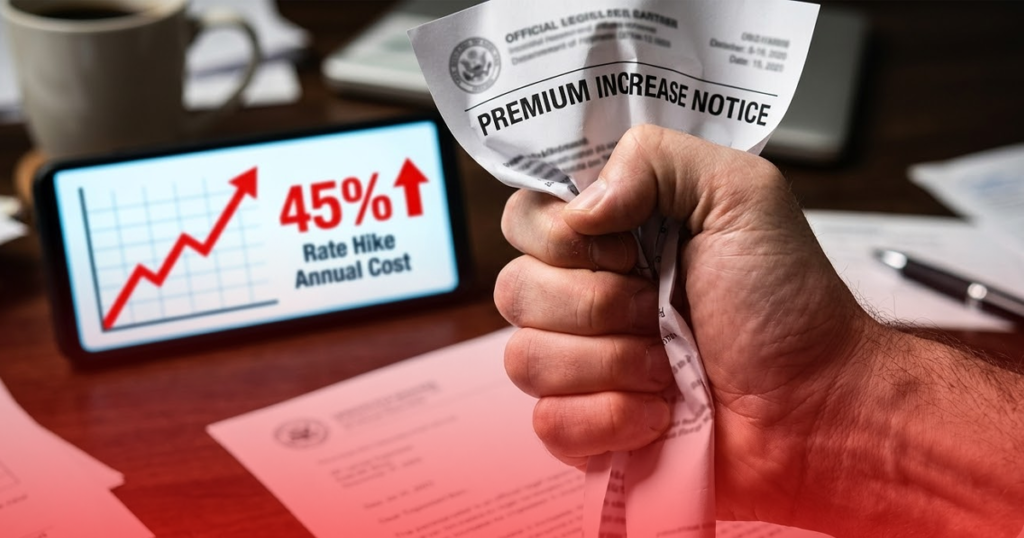
Car accidents in Houston, Texas, can significantly impact your insurance rates. Whether you’re at fault or not, your car insurance premiums are likely to rise after a crash. On average, an at-fault accident can increase rates by 30% to 50%, depending on the severity, cost of damages, and your insurance provider’s policies. Even minor accidents can affect premiums, so it’s important to know what to expect and take steps to minimize the impact. Consulting a Houston truck accident lawyer can help you navigate claims, protect your rights, and potentially reduce the financial consequences on your insurance.
Insurance Rate Increase After a Car Accident
After a car accident, insurance premiums may increase depending on the severity of the accident and your role in it. Insurers assess the risk of future claims based on factors like fault, vehicle damage, and injury claims. Understanding how minor and serious accidents affect your rates can help you anticipate potential cost changes.
Minor Accidents
A minor accident, such as a fender-bender with minimal damage and no injuries, may result in a premium increase of approximately 20% to 30%. Factors such as vehicle repair costs and whether you were at fault will influence the increase.
Serious Accidents
Major accidents involving significant vehicle damage, injury claims, or multiple parties can lead to premium increases of 40% to 50% or more. The insurer will consider factors such as the total claim cost, your driving history, and the type of coverage you have.
Why Insurance Rates Change After a Crash
Insurance companies operate on a risk-based pricing system. When you buy car insurance, you are essentially paying for protection in case of an accident. After a crash, your insurer may view you as a higher risk, particularly if you are determined to be at fault, prompting an increase in premiums.
At-Fault Accidents
An at-fault accident occurs when your actions are identified as the primary cause of the crash. In Texas, this can include violations of traffic laws, reckless behavior, or failure to follow safe driving practices. Being at fault can significantly increase your perceived risk, resulting in higher premiums.
Not-at-Fault Accidents
Even if you are not at fault, your rates may increase slightly. Some insurers will raise premiums after any claim to account for the risk of future accidents, though the increase is typically less than if you were at fault.
Car accidents in Houston can raise your insurance rates, even for minor incidents. A car accident lawyer in Houston can help protect your rights, navigate claims, and reduce financial impact.
Factors That Determine Your Rate Increase
Several factors influence how much your insurance rates may rise after an accident. Who was at fault, the cost of the claim, and your driving history all play a role. Additionally, your insurance provider and specific policy details can affect how much your premium changes.
1. Who Was at Fault
Being found at fault typically leads to a larger increase than if you were not responsible. Texas follows a modified comparative fault system under Texas Civil Practice & Remedies Code § 33.001, meaning fault can be split among drivers. Your premium increase may reflect the percentage of fault assigned to you.
2. Cost of the Claim
Minor claims with low repair costs usually lead to smaller premium increases. Claims involving extensive damage or serious injuries have a greater impact. Your insurance rates often reflect the overall cost of the claim.
3. Driving Record
A history of safe driving can help keep rate increases low. Drivers with prior accidents or traffic violations are more likely to face higher premium hikes. Insurers consider your overall driving record when adjusting rates after an accident.
4. Insurance Provider
Each insurer has its own rules for rate adjustments. Some companies offer accident forgiveness, which can prevent your first at-fault accident from raising your premiums. Others assess risk more aggressively, leading to higher increases.
5. Policy Details
Your policy may contain clauses such as accident forgiveness, no-fault coverage, or deductible adjustments that can affect the impact of an accident on your premiums. Reviewing your policy is critical to understanding potential changes.
Texas Modified Comparative Fault Rule
Texas operates under a modified comparative fault rule, codified in Texas Civil Practice & Remedies Code § 33.001. If multiple parties share fault, damages are apportioned based on the degree of responsibility. For example, if you are 60% at fault and the other driver is 40% at fault, your premium increase will likely reflect your greater share of responsibility.
If you are not at fault, your premium increase is usually smaller, and in some cases, your insurer may cover the claim entirely without increasing your rates. Filing through uninsured/underinsured motorist coverage may also reduce the impact on premiums.
Texas Insurance Laws
Texas has specific laws that govern how insurers can adjust your rates and what coverage drivers must carry. These rules ensure transparency and protect policyholders while allowing insurers to manage risk fairly.
- Rate Increase Notices: Under Texas Insurance Code § 1132.001, insurers must notify policyholders in writing about any premium rate increase. The notice should explain the amount, effective date, and provide the policyholder an opportunity to review the change.
- Liability Insurance Requirement: Texas law requires all drivers to carry liability insurance or otherwise prove financial responsibility under Texas Transportation Code § 601.051, ensuring drivers can cover damages in the event of an accident. Insurers use this information, combined with your driving history, to determine premium adjustments.
Prevent an Increase in Insurance Premiums
While accidents can lead to higher insurance premiums, there are strategies to help minimize or prevent rate increases. Taking proactive steps not only reduces financial impact but also demonstrates responsibility to insurers.
- Maintain a Clean Driving Record: A clean record signals low risk to insurers and can reduce the size of any premium increase after an accident. Defensive driving and adherence to traffic laws are essential.
- Shop Around for Insurance: After an accident, it may be beneficial to compare rates from different providers. Some insurers may offer lower rates or better accident forgiveness programs.
- Increase Your Deductible: Raising your deductible can lower premiums, though it requires you to pay more out-of-pocket if another accident occurs.
- Complete Defensive Driving Courses: Many insurance providers offer discounts to drivers who complete certified defensive driving courses. This can help mitigate premium increases over time.
Steps to Take After an Accident
Taking the right steps immediately after a car accident can protect your legal rights and help prevent unnecessary increases in your insurance premiums. Careful documentation, timely reporting, and knowing your policy benefits are key to minimizing financial impact.
- Document the Accident: Collect photos of the scene, gather witness information, and obtain a police report. Proper documentation can help prove fault, potentially reducing your premium increase.
- Report the Accident Promptly: Most insurers require accidents to be reported within 24–48 hours. Prompt reporting ensures accurate claims processing and proper premium adjustments.
- Consult Legal Help: For complex or severe accidents, consider hiring a Houston truck accident lawyer. Legal counsel can help ensure fair treatment and protect your financial interests.
- Check for Accident Forgiveness: If your policy includes accident forgiveness, you may avoid a premium increase for your first at-fault accident. Confirm eligibility with your insurer.
Managing Your Insurance Rates
After an accident, understanding how your insurance rates may increase is crucial. In Houston, premiums can rise significantly, especially if you are at fault. Factors like accident severity, driving history, and policy features all play a role. Abogada Kim Bruno can guide you through the process, helping you document accidents, explore rate options, and protect your financial interests. By taking proactive steps and consulting legal counsel, you can reduce the impact on your premiums and regain control of your finances. Contact us today to get started.