
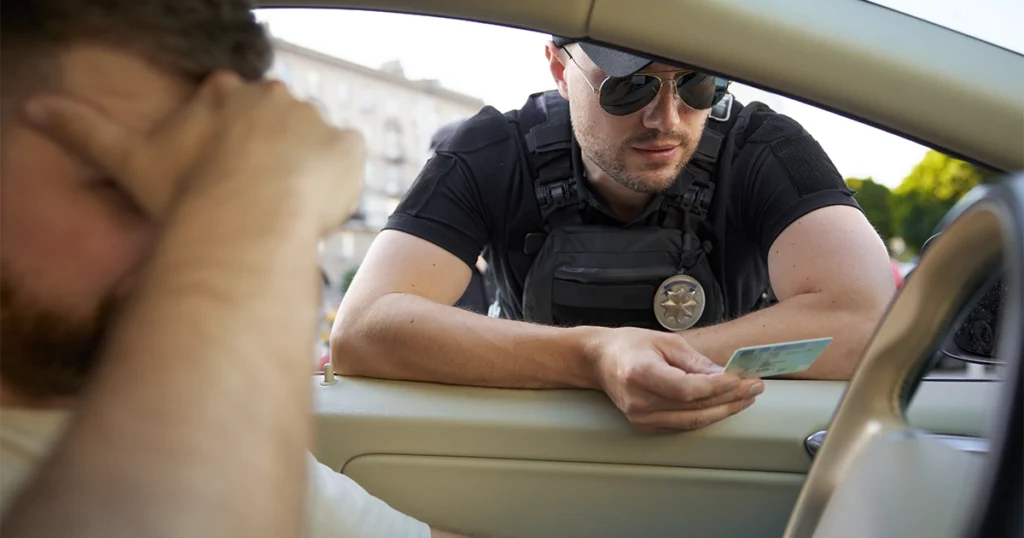
Few traffic stops cause as much anxiety as being pulled over for speeding. Beyond the immediate concern of fines and points, many drivers wonder whether a speeding ticket could be considered a misdemeanor. In most cases, the answer is no; most speeding tickets are not considered criminal offenses. However, factors like excessive speed, reckless driving, accidents, or repeated violations can elevate a ticket into a misdemeanor with serious legal and personal consequences.
Understanding how speeding tickets are classified and when they cross into criminal territory is essential. Consulting our Houston Motor vehicle accident lawyer can help you assess your situation, protect your driving record, and take the right steps to minimize potential penalties if your violation is more serious than a simple ticket.
Speeding Ticket & Misdemeanor Charges
The difference between a speeding ticket and a misdemeanor charge lies in how the law categorizes the offense.
Speeding Ticket
Most speeding tickets are classified as traffic infractions under Texas Transportation Code §542.401 or similar statutes. These are civil matters, not crimes, designed to enforce compliance with traffic laws. Typical consequences include:
- A monetary fine
- Court costs or administrative fees
- Possible points on a driving record
- No jail time
- No criminal conviction
Infractions are typically resolved through traffic or municipal courts and do not appear on criminal background checks.
Misdemeanor Charges
A misdemeanor is a criminal offense under Texas Penal Code §49.07 when the violation includes aggravating factors such as reckless driving, school zone violations, or accidents causing injury. Misdemeanor speeding may result in:
- Substantially higher fines.
- Mandatory court appearances.
- Possible jail time in some jurisdictions.
- License suspension or revocation.
- A permanent criminal record.
When Does Speeding Become a Misdemeanor?
Speeding becomes a misdemeanor when aggravating factors are present. While the exact thresholds vary by state, several common scenarios apply across most jurisdictions.
Excessive Speed Above Legal Thresholds
Many states establish specific speed limits where driving alone can be considered criminal behavior. Once a driver exceeds these limits, prosecutors may treat the offense as more than a simple traffic violation. Excessive speed may include:
- Driving 15 to 25 miles per hour over the posted limit.
- Exceeding a maximum allowable speed, regardless of the posted limit.
- Driving at speeds defined by law as inherently dangerous.
At these levels, the law often presumes a greater risk to public safety, making misdemeanor charges more likely.
Reckless Driving
Speeding becomes far more serious when combined with dangerous driving behavior. In these cases, the issue is not just speed but the manner in which the vehicle is operated. Reckless or aggressive driving may involve:
- Weaving through lanes at high speed
- Tailgating other vehicles
- Ignoring traffic signals or signs
- Racing or engaging in competitive driving
- Driving in a way that endangers others
Reckless driving charges often qualify as misdemeanors because they suggest a conscious disregard for safety rather than a simple mistake.
Speeding in a School Zone
Certain areas receive heightened legal protection because of the increased vulnerability of those around them. Speeding in school zones is treated more seriously than standard speeding, even if the driver’s speed isn’t extreme. Courts consider these offenses particularly dangerous, as children, pedestrians, and roadway workers face higher risks of injury. Common consequences for speeding in school or construction zones include:
- Increased fines
- Reduced eligibility for ticket dismissal programs
- Mandatory court appearances
- Misdemeanor charges in some jurisdictions
Because of the elevated risks and stricter penalties, it’s important to understand the laws and take them seriously.
Repeat Speeding Offense: Habitual Violations
A driver’s history matters. While a single speeding ticket is usually minor, repeated violations can signal a pattern of disregard for traffic laws. Repeat speeding offenses may result in:
- Escalated charges
- Higher fines and penalties
- License suspension
- Increased scrutiny by judges and prosecutors
Drivers with multiple violations in a short period are more likely to face misdemeanor charges for subsequent offenses.
Accidents, Injuries, and Property Damage
When speeding leads to an accident, the legal consequences can increase dramatically. The presence of harm transforms the nature of the offense. Speeding that results in:
- Physical injury to another person
- Significant property damage
- Endangerment of public safety
may lead to misdemeanor or felony charges, depending on the severity of the incident. Even if the driver did not intend harm, the law often imposes harsher penalties when others are affected.
Penalty for Misdemeanor
The penalties for misdemeanor speeding are significantly more severe than those for standard infractions. While exact punishments vary by jurisdiction, they commonly include a combination of financial, legal, and personal consequences. Possible penalties include:
- Fines ranging from several hundred to several thousand dollars
- Jail sentences from a few days to several months
- Points that can lead to license suspension
- Mandatory driving courses or community service
- Long-term increases in insurance premiums
Because misdemeanor speeding is a criminal offense, it can also appear on background checks and remain visible long after fines are paid.
Does a Speeding Ticket Go on Your Criminal Record?
One of the most common concerns drivers have is whether a speeding ticket creates a criminal record. In most cases, it does not.
- A typical speeding ticket appears only on a driving record
- It does not show up on criminal background checks
- It may still affect insurance rates
However, misdemeanor speeding charges are different. These are criminal offenses and may appear on background checks, potentially affecting employment opportunities, professional licensing, and housing applications.
When to Contact a Lawyer
Even a minor speeding ticket can have serious consequences in certain situations. Consulting a Houston Motor vehicle accident lawyer early can help protect your record, reduce penalties, and provide guidance on the best defense strategies. Ways a lawyer can help include:
- Reviewing the ticket and evidence for errors or inconsistencies
- Negotiating reduced fines or alternative penalties
- Representing you in court to minimize legal consequences
- Advising on traffic school or mitigation programs
- Developing defenses for a school zone or repeated violations
Protect Your Driving Record: Get Legal Help
In most cases, a speeding ticket is a minor traffic violation, handled with fines or administrative consequences. However, excessive speed, reckless behavior, repeat offenses, or accidents can escalate a ticket into a misdemeanor with serious legal and personal implications. Knowing when speeding becomes a criminal matter is key to protecting your driving record and avoiding long-term consequences. If you’re facing a situation that could become more serious, consulting an experienced attorney, such as Abogada Kim Bruno, can help you understand your options, navigate the legal process, and take steps to minimize penalties.