
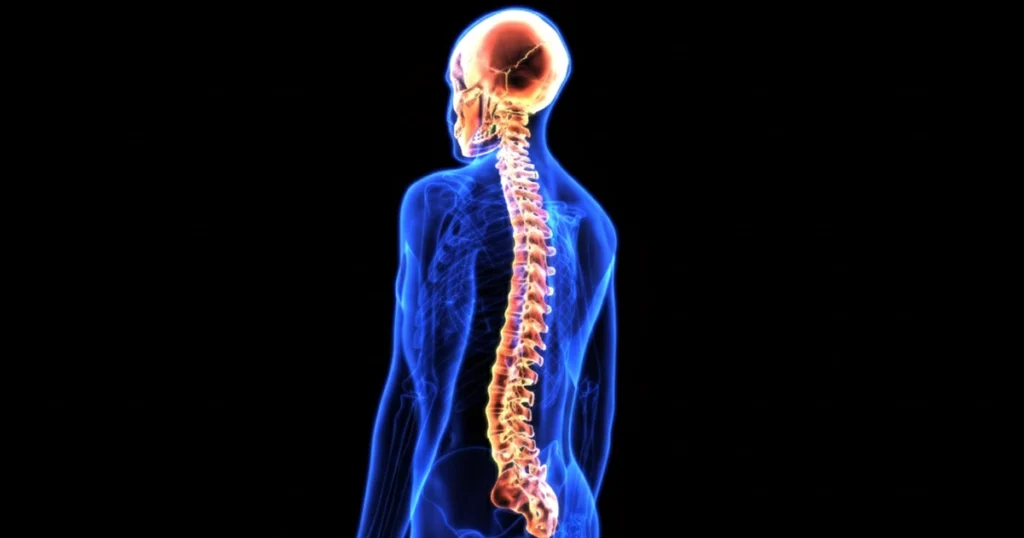
A spinal cord injury does more than interrupt movement and sensation; it can also trigger measurable changes within the brain. These changes may affect memory, emotional balance, and how the brain processes information or regulates critical bodily functions. Because the spinal cord and brain constantly communicate, an SCI can disrupt these pathways and alter overall neurological health.
From a legal standpoint, brain-related complications make spinal cord injury cases more complex and medically intensive. Proving cognitive changes often requires advanced testing, detailed documentation, and strong expert support, which a personal injury lawyer in Houston can coordinate. Under Texas Civil Practice & Remedies Code § 33.001 and related statutes, victims may be entitled to full compensation for past and future medical care, lost wages, and non-economic damages.
Step-by-Step Effects
A spinal cord injury can affect the brain in multiple ways, impacting cognition, emotion, sensation, and autonomic functions. Understanding these effects is crucial for survivors, caregivers, and legal professionals pursuing compensation. The following outlines the main brain-related consequences in a step-by-step format.
- Step 1: Disrupted Communication Between Brain and Body
The spinal cord carries messages between the brain and the rest of the body. When the cord is damaged, the brain receives incomplete or abnormal signals, leading to neurological changes over time. - Step 2: Cognitive Changes (Thinking, Memory, and Concentration)
Many survivors experience memory problems, slower processing speed, difficulty focusing, poor planning and organization, and mental fatigue. These may result from direct brain changes, secondary complications like low blood pressure or sleep issues, or an undiagnosed traumatic brain injury (TBI). - Step 3: Emotional and Behavioural Changes
SCI can affect brain networks that regulate emotion, causing anxiety, depression, irritability, emotional swings, reduced motivation, and PTSD symptoms. These often require specialist therapy, support, and legal recognition within an injury claim. - Step 4: Chronic Neuropathic Pain and Sensory Disturbances
Disruptions in the brain’s “body map” may cause burning or electric pain, pain in numb areas, and heightened sensitivity. These pain pathways originate in the brain and significantly impact daily functioning. - Step 5: Autonomic Nervous System Problems
SCI can disrupt the brain’s control over blood pressure, heart rate, temperature regulation, and digestive or bladder functions. High-level SCI may also cause autonomic dysreflexia, a dangerous condition that can trigger stroke or brain injury. - Step 6: Dual Injury — Spinal Cord Injury and Traumatic Brain Injury
Many clients suffer both an SCI and a traumatic brain injury from the same incident. Mild TBIs are often missed early on but may explain long-term cognitive or behavioural struggles. In some cases, this overlaps with other types of injuries discussed in our Car Accident Back & Neck Injury Settlement guide and 7 Types of Truck Accidents You Should Know.
Compensation: Brain-Related Effects in SCI Cases
Brain involvement in an SCI case can significantly increase the compensation a client may receive. Cognitive, emotional, and neurological complications often require additional care and support, making the case more complex. Understanding these effects is crucial under Texas statutes on damages (Tex. Civ. Prac. & Rem. Code § 41.001 et seq.).
- Care Needs Increase Significantly
Cognitive and emotional changes often require 24/7 supervision, decision-making support, and home adaptations. These needs significantly increase the overall cost of care and long-term support. - Loss of Earnings Is Greater
Brain-related symptoms can prevent a return to demanding jobs, consistent work, or driving. This increases both past and future income losses, which must be carefully assessed for full compensation. - Non-Economic Damages Increase
Pain, emotional distress, PTSD, and reduced independence affect quality of life. Survivors may claim damages for suffering, loss of amenity, and emotional hardship beyond medical costs. Learn more in our Personal Injury Claim Guide in Texas. - Costs of Future Treatment Rise
Lifelong therapy, psychiatric care, pain management, and specialist monitoring are often needed. Documenting these ongoing medical needs is essential for accurate compensation.
Documenting Brain Effects in SCI Claims
Because brain effects are “invisible,” insurers often try to minimize or deny them. A strong legal team must gather and present detailed evidence to support the claim.
- Medical Evidence
Medical documentation is critical to prove brain changes. This includes MRI or DTI imaging, neuropsychological assessments, and neurology or psychiatry reports that detail cognitive or emotional impacts. - Functional Evidence
Evidence of daily functioning helps demonstrate real-world limitations. Employer testimony, family and caregiver observations, rehabilitation reports, and behavioural tracking show how brain effects affect everyday life. - Expert Testimony
Specialist opinions strengthen the claim and clarify complex medical issues. Lawyers often rely on neurologists, neuropsychologists, pain specialists, rehabilitation physicians, and mental health experts to support the case.
Why Hire a Lawyer for SCI and Brain Effects
Spinal cord injury cases are already complex, and when the brain is affected too, the legal and medical issues multiply. Many law firms focus only on physical injuries and overlook cognitive and emotional changes. Our skilled personal injury lawyer in Houston has the experience to ensure all aspects of SCI-TBI cases are properly addressed. Our lawyer will:
- Recognize signs of undiagnosed brain injury
- Ensure proper specialists are involved
- Build evidence for both physical and neurological impacts
- Calculate long-term costs accurately
- Protect against insurers undervaluing the claim
With this expertise, clients can achieve substantially higher compensation, sometimes hundreds of thousands or even millions more, depending on the case.
When to Contact a Lawyer?
Reaching out to a personal injury lawyer in Houston promptly can make a critical difference in a spinal cord injury case. Early involvement ensures your rights are protected, evidence is preserved, and the full extent of your injuries is documented. This is especially important when brain-related effects or long-term care needs are involved.
- The injury was caused by a collision, fall, workplace incident, or other negligence
- You notice memory issues, mood changes, or behavioural differences
- You suspect a traumatic brain injury was overlooked
- You need long-term medical care or home adaptations
- The insurance company is pushing for a quick settlement
- The injury has affected work, independence, or family life
Reach Out to Our SCI Lawyers Today
A spinal cord injury is not just a physical injury; it can affect how the brain functions, disrupt the body’s abilities, and alter your daily life in profound ways. You deserve a legal team that understands the full picture and fights for the compensation you truly need.
For expert guidance, contact Abogada Kim Bruno and our team of spinal cord injury lawyers for a free consultation. We are dedicated to protecting your future, supporting your recovery, and ensuring your rights are fully safeguarded.