

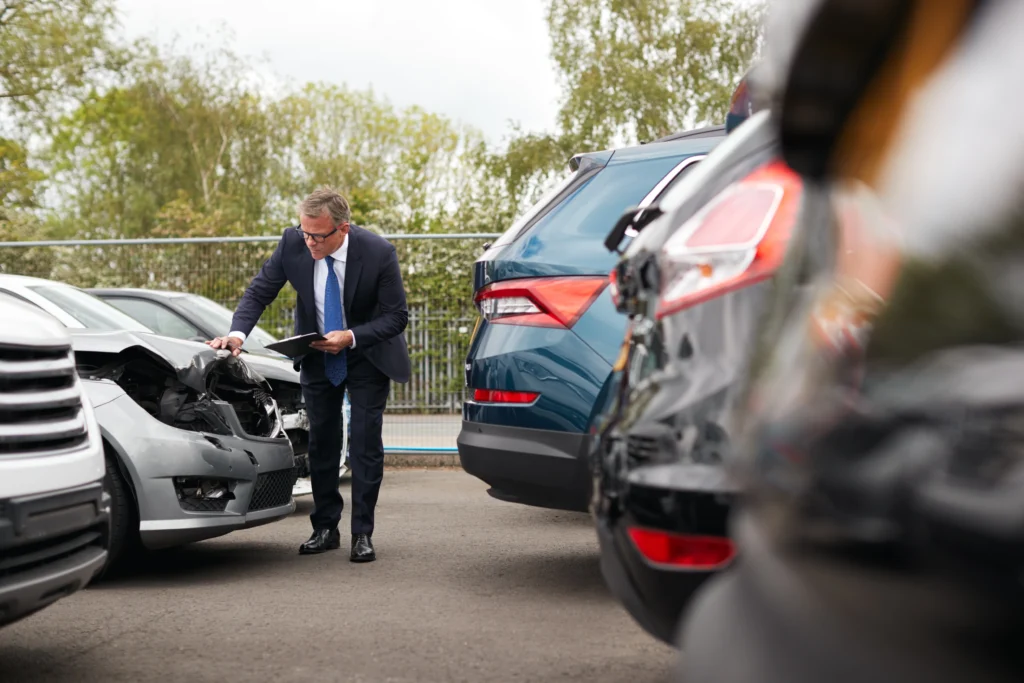
Parking lots may feel safer than busy freeways, but they are filled with distractions. Drivers back out of spaces without looking, cut across empty rows, and search for spots while pedestrians walk between cars. When a crash happens, many people are unsure whether their insurance applies on private property. If you were hurt in a shopping center or apartment complex lot, a parking lot accident attorney can explain how coverage works in your case.
So, do insurance companies cover parking lot accidents? In most cases, yes. Texas auto insurance policies generally cover crashes whether they happen on a public road or in a private parking lot. However, proving fault and getting a claim paid can be more complicated.
Does Auto Insurance Apply On Private Property?
Yes. Standard Texas auto policies typically cover the insured vehicle wherever it is driven, including parking lots, garages, and driveways. The location of the crash usually does not change whether coverage applies, but it can change how fault is determined.
Which Types Of Coverage May Pay?
- Liability coverage: The at-fault driver’s insurance may pay for your injuries and vehicle damage, up to their policy limits.
- Collision coverage: Your own policy can pay for repairs to your vehicle, minus your deductible, regardless of who caused the crash.
- Personal injury protection (PIP): Helps pay medical bills and lost wages regardless of fault. In Texas, insurers must offer PIP, but you can reject it in writing, so it only applies if it is on your policy.
- Uninsured/underinsured motorist (UM/UIM) coverage: May apply if the other driver has no insurance, does not have enough insurance, or leaves the scene.
- Medical payments (MedPay) coverage: Helps pay medical expenses for you and your passengers regardless of fault, if it is included in your policy.
How Is Fault Determined in Parking Lot Crashes?
Parking lots often lack clear traffic signals, so fault usually depends on general right-of-way principles and whether each driver used reasonable care.
- Through Lanes Usually Have Priority: Vehicles in main driving lanes generally have the right of way over cars leaving parking spaces or entering from feeder lanes. However, a through-lane driver can still share fault for speeding or not paying attention.
- Drivers Backing Out Must Yield: A driver backing out of a space is often found at fault if they hit a vehicle or pedestrian. They are expected to make sure the path is clear and yield to passing traffic before moving.
- Two Cars Backing Out at Once: When both drivers are backing up at the same time, fault is often shared between them. Each is expected to check behind them, so neither can usually claim the other had the right of way.
- Stop Signs and Painted Arrows Matter: Ignoring posted signs or driving against marked arrows can be evidence of negligence. Even on private property, these markings show what a reasonable driver would have done.
- Pedestrians in the Lot: Drivers must watch for shoppers walking between cars, children, and people loading vehicles. A driver who hits a pedestrian while speeding through the rows or looking at a phone is often found responsible.
Texas follows a modified comparative fault rule, so you can recover damages if you are 50 percent or less at fault. Your recovery is reduced by your percentage of fault, and you cannot recover if you are found more than 50 percent at fault.
Do Police Respond To Parking Lot Accidents?
In Houston, police may not always respond to minor crashes on private property, especially when there are no injuries. If police do not come, you can still exchange information, take photos, and file a crash report if required. If anyone is hurt, call 911 right away.
What If The Other Driver Leaves The Scene?
Hit-and-run crashes are common in parking lots. Check for nearby security cameras and ask store managers to save footage quickly, because many systems overwrite video within days. Your uninsured motorist property damage or collision coverage may help. If you are injured, uninsured motorist bodily injury coverage may apply, depending on your policy terms. A Houston car accident lawyer can help track down evidence and identify every available policy.
Can The Property Owner Be Responsible?
Sometimes. Poor lighting, missing stop signs, faded markings, broken pavement, or blocked sightlines may contribute to a crash. In those cases, a premises liability claim against the property owner or manager may be possible alongside a claim against the driver.
What Should You Do After A Parking Lot Crash?
- Check for injuries and call 911 if needed.
- Take photos of vehicles, signs, markings, and the area.
- Exchange information with the other driver.
- Get witness contact details.
- Ask about security footage right away.
- Report the crash to your insurance company promptly.
If the other driver has no insurance, you may need help from an uninsured driver accident attorney to pursue coverage under your own policy.
Get Help With Your Houston Parking Lot Accident Claim
Parking lot crashes can lead to surprising disputes over fault and coverage. Abogada Kim Bruno helps injured drivers and pedestrians in Houston gather evidence, deal with insurers, and pursue fair compensation. If you need a car accident lawyer Houston residents trust, contact the firm today for a free consultation.
Frequently Asked Questions
Will A Parking Lot Accident Raise My Insurance Rates?
It may if you are found at fault. Not-at-fault claims are less likely to increase premiums.
Can I Get Injured In A Low-Speed Parking Lot Crash?
Yes. Even low-speed impacts can cause whiplash, back injuries, and injuries to pedestrians.
How Long Do I Have To File A Claim?
Report to insurance promptly. Lawsuits for injuries generally must be filed within two years in Texas.