
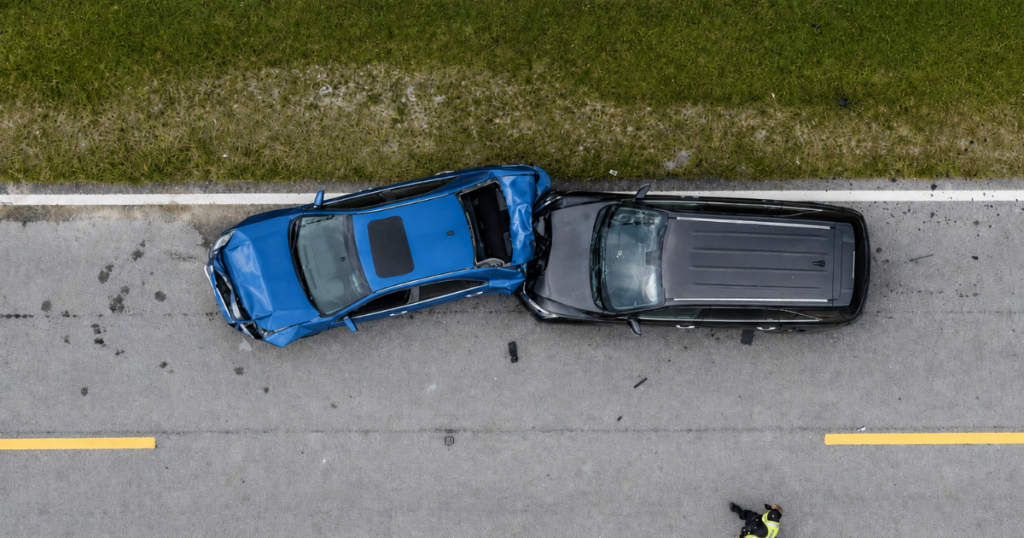
Rear-end collisions are among the most common car accidents in Texas. Whether the crash happens on a busy Houston freeway, at a Sugar Land intersection, or in stop-and-go traffic on I-45, determining fault is one of the most important parts of any insurance claim or personal injury case.
In most situations, the driver who rear-ends another vehicle is considered at fault. However, fault is not always automatic. Texas law allows insurers and courts to examine the actions of both drivers, and there are situations where the front driver may share responsibility for the crash. Understanding how fault works after a rear-end collision can help protect your rights, strengthen your injury claim, and prevent insurance companies from unfairly shifting blame. If you’ve been involved in a rear-end crash, speaking with an experienced car accident lawyer Houston can help you understand fault, protect your rights, and deal with insurance companies more effectively.
Is the Rear Driver Always at Fault in Texas?
Drivers must be able to stop safely if traffic slows or stops unexpectedly. When a vehicle crashes into the back of another car, insurers often assume the rear driver failed to:
- Pay attention to traffic
- Maintain a safe distance
- Brake in time
- Adjust for weather or road conditions
Common examples include:
- Tailgating in heavy traffic
- Distracted driving
- Speeding
- Following too closely
- Texting while driving
- Driver fatigue
- Impaired driving
In many rear-end accidents, the rear driver is presumed responsible because Texas drivers are expected to maintain a safe following distance and remain alert to changing traffic conditions. A skilled rear-end accident lawyer can help evaluate evidence and determine whether any exceptions apply to your case.
Situations Where the Front Driver May Share Fault
Although rear drivers are usually considered responsible in a rear-end collision, there are important exceptions under Texas law. In some cases, the front driver’s actions may have contributed to the crash, which can affect how liability is assigned. Insurance companies and courts often examine the behavior of both drivers before determining fault.
If you want to understand how fault impacts your claim after a crash, see this guide on what to do after a car accident that is your fault.
Sudden or Unsafe Braking
A driver who suddenly slams on the brakes without a valid reason may share responsibility for a rear-end collision. While drivers should maintain a safe following distance, abrupt and unnecessary braking can create a dangerous situation that leaves the rear driver with little or no time to react. These cases are common in heavy traffic, road rage incidents, or aggressive driving situations.
Broken Brake Lights
Brake lights are essential for warning drivers when traffic is slowing or stopping. If the front vehicle’s brake lights were damaged, malfunctioning, or not visible, the rear driver may argue they did not receive adequate warning before the crash occurred. Fault may be shared if defective brake lights contributed to the collision.
Reversing Into Another Vehicle
In some rear-end accident claims, the front driver may have actually reversed into the vehicle behind them. This can happen at traffic lights, parking lots, steep inclines, or in stop-and-go traffic. Determining what truly happened often requires witness statements, surveillance footage, or vehicle damage analysis.
Road Rage or Brake Checking
Brake checking occurs when a driver intentionally slams on their brakes to intimidate or provoke another driver who is following too closely. This aggressive behavior can create an unavoidable collision and may result in shared liability. Insurance companies take these situations seriously because intentional actions can significantly impact fault determinations.
Unsafe Lane Changes
A rear-end collision may happen when a driver suddenly changes lanes directly in front of another vehicle without leaving enough stopping distance. If the trailing driver had no reasonable opportunity to avoid impact, the front driver may be partially responsible for the accident. These crashes are especially common on busy highways and during heavy traffic conditions.
How Texas Comparative Fault Laws Affect Rear-End Accident Claims?
Texas follows a modified comparative fault rule under Texas Civil Practice and Remedies Code § 33.001. This means an injured driver can still recover compensation as long as they are not more than 50% responsible for the accident.
However, compensation is reduced by the percentage of fault assigned to them.
Example:
- Total damages: $100,000
- Your percentage of fault: 20%
- Compensation after reduction: $80,000
If you are found 51% or more responsible, you cannot recover compensation under Texas law. Insurance companies often try to use comparative fault rules to reduce payouts in rear-end collision claims.
How Fault Is Proven in a Rear-End Collision?
Determining fault in a rear-end collision requires more than assumptions. Insurance companies, attorneys, and accident investigators review multiple forms of evidence to understand exactly how the crash occurred and whether either driver contributed to the accident. If liability is disputed, a Houston motor vehicle accident attorney can help gather critical evidence, challenge unfair fault allegations, and build a strong claim for compensation.
Important evidence may include:
- Police accident reports
- Photos of vehicle damage
- Traffic camera footage
- Dashcam recordings
- Eyewitness statements
- Vehicle black box data
- Skid marks and roadway evidence
- Cell phone records
- Medical records
Common Injuries in Rear-End Collisions
Rear-end crashes can cause serious injuries even at lower speeds. Some injuries may not appear immediately after the crash. Seeking immediate medical care is important for both your health and your legal claim.
Common injuries include:
- Whiplash
- Neck injuries
- Herniated discs
- Concussions
- Back injuries
- Shoulder injuries
- Soft tissue damage
- Spinal cord injuries
- Chronic pain
- Traumatic brain injuries (TBIs)
What Compensation Can You Recover?
If another driver caused your rear-end collision, you may have the right to recover compensation for both financial losses and the personal impact the accident has had on your life. The amount you can recover depends on the severity of your injuries, the cost of your medical treatment, and how the crash affected your ability to work and live normally. A rear-end accident claim may include both economic and non-economic damages designed to help you move forward after the accident.
- Medical Expenses: Emergency treatment, rehabilitation, physical therapy, medications, and future care.
- Lost Wages: Income lost while recovering from injuries.
- Reduced Earning Capacity: Compensation for long-term limitations affecting your ability to work.
- Pain and Suffering: Physical pain, emotional distress, and reduced quality of life.
- Property Damage: Vehicle repairs or replacement costs.
- Out-of-Pocket Expenses: Transportation, medical equipment, and other accident-related costs.
Why Insurance Companies Dispute Rear-End Collision Claims?
Because of these tactics, many injured drivers choose to work with an attorney who can gather evidence and negotiate aggressively on their behalf. Even when the fault seems obvious, insurers may still try to reduce payouts by arguing:
- Your injuries are exaggerated
- The crash was low impact
- You had pre-existing conditions
- You stopped suddenly
- You contributed to the accident
What Should You Do After a Rear-End Accident?
After a rear-end accident, the actions you take immediately can significantly impact your ability to recover fair compensation. First, call the police and make sure an official accident report is created, as this becomes key evidence in your claim. Even if your injuries seem minor, seek medical attention right away because many conditions, such as whiplash or internal injuries, may not show symptoms immediately. It is also important to take clear photos of the vehicles, damage, injuries, road conditions, and any traffic signs or signals to help document what happened.
Avoid admitting fault or making assumptions about the cause of the crash, as these statements can be used against you by insurance companies. You should also promptly notify your insurance provider about the accident without giving detailed recorded statements. Finally, speaking with an experienced attorney such as Abogada Kim Bruno can help protect your rights, handle negotiations with insurers, and ensure you are not pressured into accepting a low settlement.
Frequently Asked Questions
How do insurers determine who was at fault?
Insurance companies determine fault by reviewing police reports, witness statements, photos, and vehicle damage. They also analyze traffic laws and driver behavior before the crash. In rear-end collisions, they often start with the presumption that the rear driver is responsible unless strong evidence shows otherwise.
What is the average payout for a rear-end collision in Texas?
Payouts vary widely depending on injury severity, medical costs, and lost income. Minor injury cases may settle for a few thousand dollars, while serious injury claims can reach much higher amounts. Each case is unique, so insurers evaluate damages individually.
How long does a rear-end collision settlement take?
A rear-end collision settlement can take anywhere from a few months to over a year. Simple cases with clear liability settle faster, while disputed or severe injury cases take longer. Delays often happen due to medical treatment timelines and insurance negotiations.