
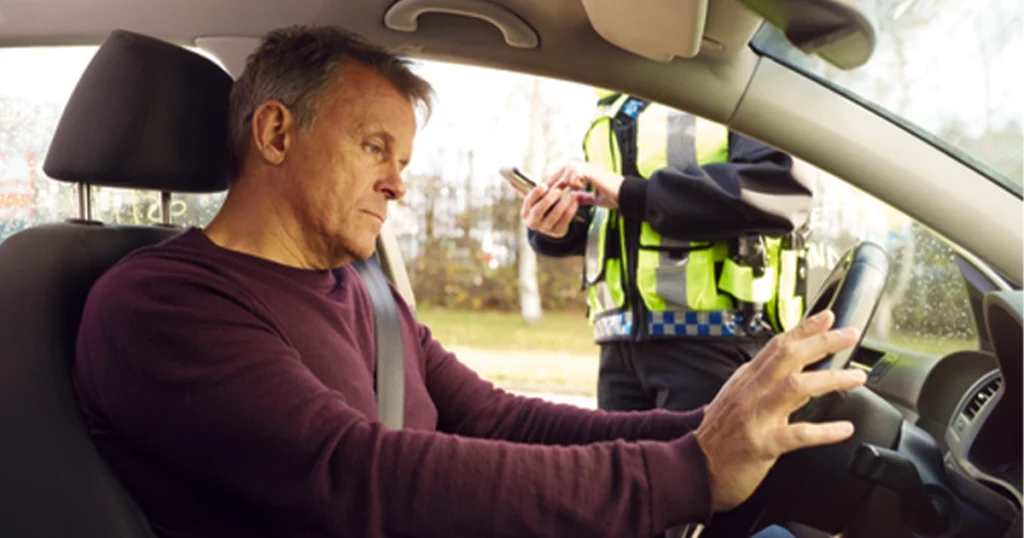
Driving without a valid license is a serious traffic violation in Texas. In most situations, unlicensed driving is prosecuted as a misdemeanor offense. Driving without a license does not automatically result in felony charges.
However, legal consequences may become more severe if aggravating circumstances exist, such as repeat violations, driving with a suspended or revoked license, or involvement in other criminal activities. Penalties may include fines, short-term jail sentences, or criminal records. If you need legal guidance, consider consulting a car accident attorney Houston for professional assistance.
What Does It Mean to Drive Without a License?
Driving without a license means operating a motor vehicle without a valid driver’s license issued by state transportation authorities. Unlicensed driving may occur due to oversight, expired documentation, or driving restrictions. The violation does not necessarily indicate intentional unlawful conduct. Categories of unlicensed driving include:
- Expired License: The driver’s license renewal date has passed.
- Suspended License: Driving privileges have been temporarily revoked due to prior violations.
- No License Issued: The individual has never obtained a valid driver’s license.
Each category carries different legal consequences. Authorities evaluate the driver’s intent, history, and surrounding circumstances when determining penalties.
Factors That Can Turn the Offense Into a Felony
Driving without a license is usually considered a minor offense, but may become more serious under certain conditions.
Repeat Offenses
Repeated violations of unlicensed driving may result in stricter legal punishment. Courts may impose higher fines, extended detention, or enhanced misdemeanor classification depending on the case history.
Driving With a Suspended License
Driving while license privileges are suspended or revoked is more serious than simple unlicensed driving. Relevant legal provisions include:
These statutes regulate license possession and the operation of an invalid license.
Criminal Activity Connection
Unlicensed driving combined with other criminal conduct may lead to stronger legal penalties. Examples include:
- Traffic accidents resulting in injury
- Driving under the influence violations
- Other felony-related criminal acts
Penalty for Driving Without a License
Penalty severity depends on violation history and case circumstances. In Texas, driving without a valid license is primarily governed by Texas Transportation Code §521.457. Depending on aggravating factors, the offense may be charged as a misdemeanor or felony.
Misdemeanor Charges
Driving without a license is typically prosecuted as a misdemeanor when no serious aggravating circumstances are present. In Texas, misdemeanor offenses are classified into different classes under Texas criminal law.
- Texas Penal Code §12.23 – Class C Misdemeanor: Usually involves fines only and does not include jail time
- Texas Penal Code §12.22 – Class B Misdemeanor: May include up to 180 days county jail and fines up to $2,000
- Texas Penal Code §12.21 – Class A Misdemeanor: May include up to 1 year county jail and fines up to $4,000
- Probation, court costs, or license restrictions may also be imposed, depending on the case
Felony Charges
Felony charges may apply if driving without a license is combined with serious criminal conduct, repeat violations, or dangerous circumstances such as accidents causing injury or death. In Texas, felony punishment follows Texas criminal sentencing laws depending on offense classification.
- Texas Penal Code §12.31: Capital felony punishment may include life imprisonment or capital sentencing in extreme cases
- Texas Penal Code §12.32: Punishable by 5 to 99 years or life imprisonment and fines up to $10,000
- Texas Penal Code §12.33: Punishable by 2 to 20 years imprisonment and fines up to $10,000
- Imprisonment in state correctional facilities
- Higher financial penalties under felony sentencing guidelines
- Charges may be enhanced if the offense causes serious injury or death
- Permanent criminal record consequences may occur
Sentencing outcomes depend on judicial discretion, prior criminal history, and case circumstances.
Consequences of Driving Without a License
In Texas, driving without a license is generally prosecuted as a misdemeanor offense rather than a felony. Misdemeanor violations are considered less severe than felony crimes but may still result in legal penalties such as fines or temporary detention in certain cases. The offense may become more serious if additional legal factors are involved. Traffic enforcement procedures depend on state and local regulations.
Misdemeanor vs. Felony Classification
A first-time violation of driving without a license is typically treated as a misdemeanor offense.
- Misdemeanor Offense:
- Usually results in monetary fines or short-term jail sentences.
- Often applies to first-time offenders.
- Does not usually create long-term felony records.
- Usually results in monetary fines or short-term jail sentences.
- Felony Offense:
- Driving without a license alone is generally not classified as a felony in Texas. Felony charges may arise when the violation is combined with serious criminal conduct.
- Felony-level prosecution may occur when the case involves serious accidents, injury, death, or other felony-related criminal activity.
- Driving without a license alone is generally not classified as a felony in Texas. Felony charges may arise when the violation is combined with serious criminal conduct.
This legal distinction is important because felony convictions may affect employment opportunities, professional licensing, and civil rights.
Protect Your Legal Rights
If you were injured in a crash involving an unlicensed driver, or if you were driving without a license but were injured due to another party’s negligence, Texas law may still allow you to seek compensation. Under Texas personal injury rules, liability is generally based on fault rather than license status.
- Injured by an unlicensed driver: – You may file a claim against the at-fault driver’s liability insurance to recover medical expenses, lost wages, property damage, and other damages.
- Unlicensed but not at fault: – Driving without a license does not automatically prevent you from seeking compensation if another driver caused the accident.
- Personal injury lawsuit option – You may pursue legal action for medical costs, lost income, pain and suffering, and other damages.
- Texas comparative fault rule – Under Texas Civil Practice and Remedies Code §33.001, you may recover damages if you are 50% or less responsible, though compensation may be reduced by your share of fault.
Seek Legal Help If Facing Traffic Violations
Consulting a lawyer early can help protect your legal rights and prevent costly mistakes after accidents or traffic violations. In Houston, legal assistance is especially important if your case involves serious injury, property damage, insurance disputes, or being struck by an unlicensed or uninsured driver. You should also seek legal guidance if your license is suspended, if you believe you were wrongly cited, or if an insurance company denies or undervalues your claim.
Driving without a license or violating traffic laws may lead to financial penalties or criminal consequences, depending on the situation. Abogada Kim Bruno can review your case, explain your legal rights, and help build a strong defense strategy to protect your future and improve case outcomes. Responsible driving and timely legal support are important for avoiding long-term legal and financial risks.